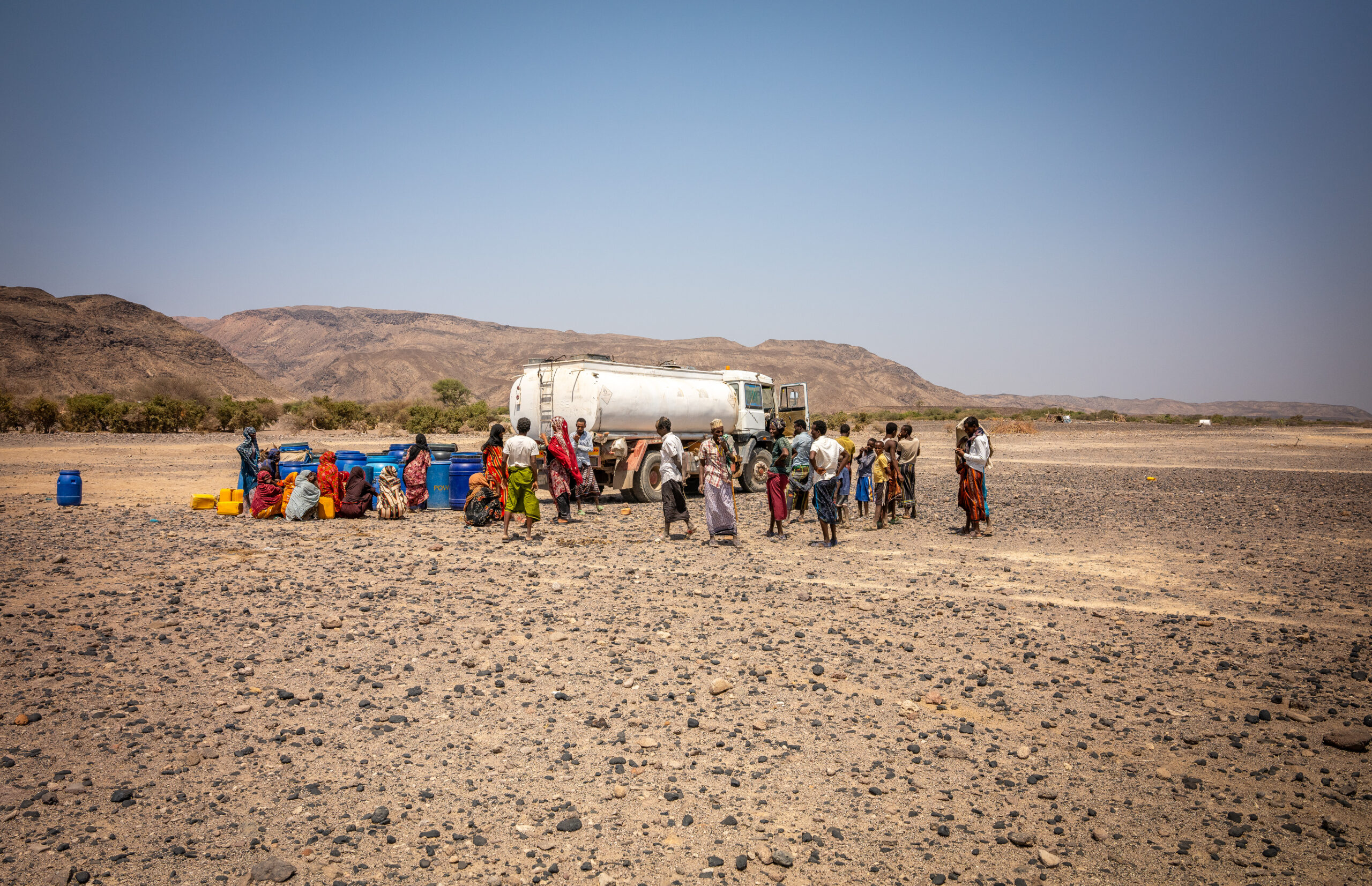
5 August 2026 - Preparing for Drought Before It Arrives: Early Action in Harshin, Ethiopia, June 2026


Countries
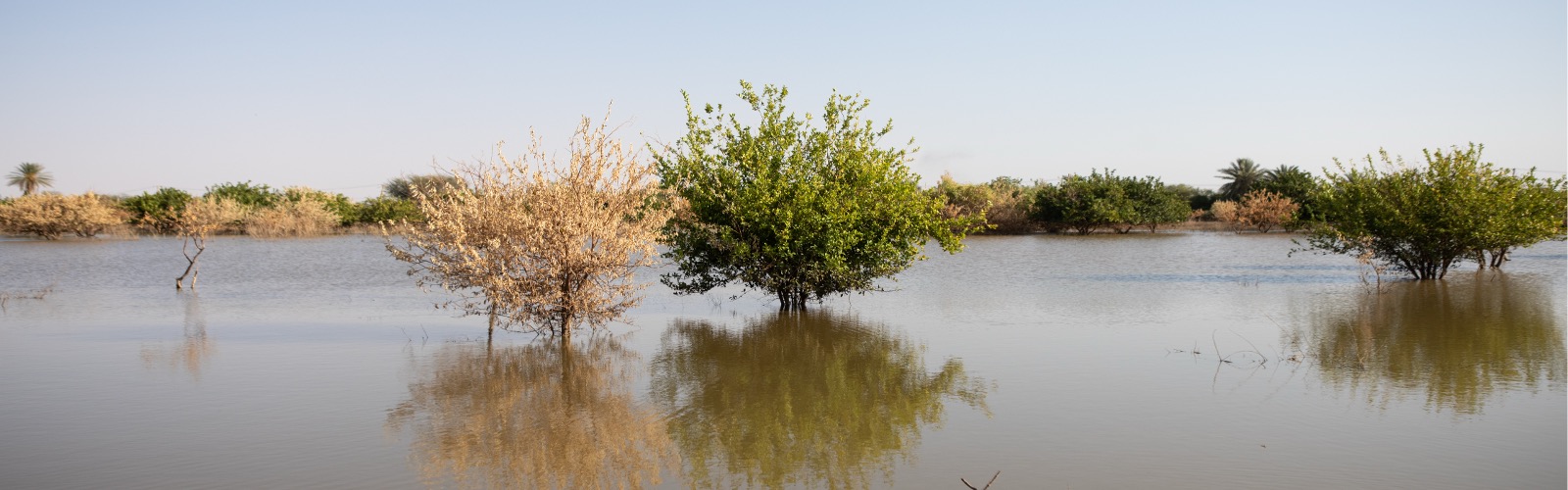
Water doesn’t respect borders. A flood that begins in one country can quickly cascade into neighboring regions, affecting lives and livelihoods in many countries alike. That’s why Water at the Heart of Climate Action (WHCA) embraces a cross-regional approach, working along the Nile Basin to strengthen resilience. By centralizing systems and bringing all relevant partners to the table, from humanitarian actors to disaster management and hydro-meteorological agencies, WHCA ensures that early warning, data sharing, and disaster preparedness are coordinated across borders. This regional collaboration helps communities anticipate risks, act early, and build long-term solutions, together.
Ethiopia
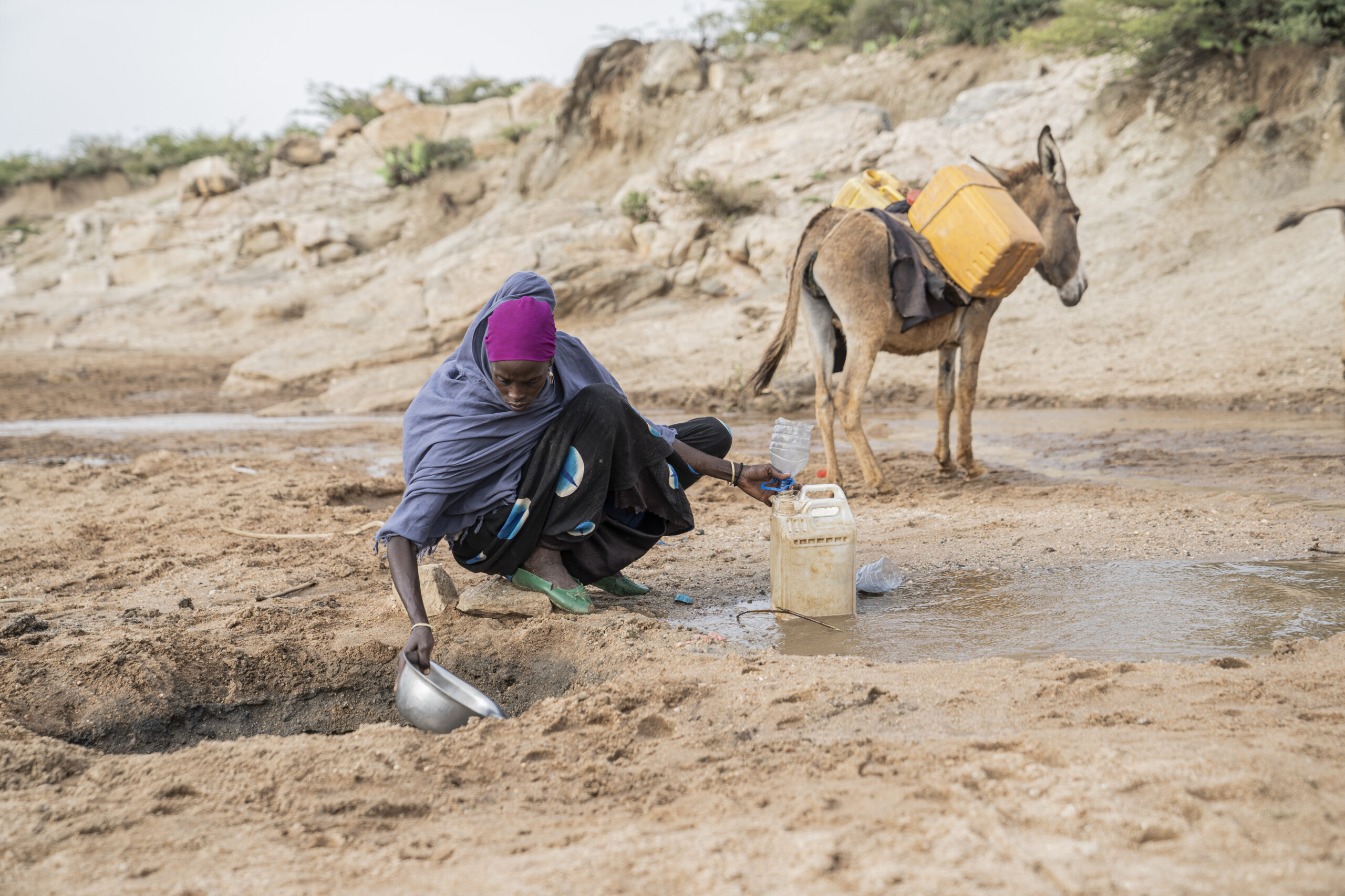
Ethiopia faces recurring droughts, floods, and water scarcity, with vulnerable groups such as displaced populations and women disproportionately affected. Climate change is intensifying these risks, disrupting livelihoods and food security. WHCA in Ethiopia focuses on strengthening early warning systems and improving access to hydro-meteorological data. The programme supports national and regional institutions to better forecast and communicate water-related hazards, while empowering communities to take anticipatory action. Local actors are leading efforts to integrate early warning into long-term planning, ensuring that preparedness is not just reactive but proactive. By investing in locally led adaptation and inclusive governance, WHCA helps build resilience from the ground up.
Partners implementing WHCA in Ethiopia:
Resources
Publishing date: 5 August 2026
Preparing for Drought Before It Arrives: Early Action in Harshin, Ethiopia, June 2026
Learn more
Preparing for Drought Before It Arrives: Early Action in Harshin, Ethiopia, June 2026
Learn more
Publishing date: 15 July 2026
Making Water Infrastructure Climate-Resilient: How communities establish water points that survive floods and droughts in South Sudan and Ethiopia
Learn more
Making Water Infrastructure Climate-Resilient: How communities establish water points that survive floods and droughts in South Sudan and Ethiopia
Learn more
Publishing date: 17 June 2026
This Time, They Were Ready: How Kelafo Acts Before Hazard Strikes
Learn more
This Time, They Were Ready: How Kelafo Acts Before Hazard Strikes
Learn more
Publishing date: 7 April 2026
NEW PODCAST: The Climate Carrot Debuts with a Recipe for Collaboration
Learn more
NEW PODCAST: The Climate Carrot Debuts with a Recipe for Collaboration
Learn more
Publishing date: 24 February 2026
When The Wells Run Dry: How A Desert Town Is Learning To Hold The Rain
Learn more
When The Wells Run Dry: How A Desert Town Is Learning To Hold The Rain
Learn more
Publishing date: 1 January 2026
From Satellites to Sandbags: Placing Water at the Heart of Climate Action
Learn more
From Satellites to Sandbags: Placing Water at the Heart of Climate Action
Learn more
Publishing date: 1 January 2026
VIDEO | An Introduction to Water at the Heart of Climate Action
Learn more
VIDEO | An Introduction to Water at the Heart of Climate Action
Learn more
Rwanda
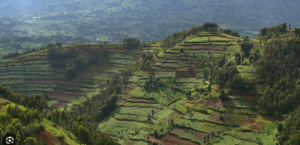
Rwanda’s hilly terrain and changing rainfall patterns make it prone to landslides, floods, and water scarcity. Vulnerable groups, including farmers and displaced populations, face increasing risks to their health and livelihoods. WHCA supports Rwanda’s efforts to enhance early warning systems and integrate water management into climate adaptation planning. The programme works with national agencies and local communities to improve forecasting, data sharing, and anticipatory action. Rwandan partners lead the design of interventions and ensure that solutions are inclusive and sustainable, building resilience driven by local leadership.
Partners implementing WHCA in Rwanda:
Resources
Publishing date: 7 April 2026
NEW PODCAST: The Climate Carrot Debuts with a Recipe for Collaboration
Learn more
NEW PODCAST: The Climate Carrot Debuts with a Recipe for Collaboration
Learn more
Publishing date: 17 March 2026
Ringing the Hills: How a Tea Farmer and Her Daughters Adapted to the Shifting Slopes
Learn more
Ringing the Hills: How a Tea Farmer and Her Daughters Adapted to the Shifting Slopes
Learn more
Publishing date: 1 January 2026
From Satellites to Sandbags: Placing Water at the Heart of Climate Action
Learn more
From Satellites to Sandbags: Placing Water at the Heart of Climate Action
Learn more
Publishing date: 1 January 2026
VIDEO | An Introduction to Water at the Heart of Climate Action
Learn more
VIDEO | An Introduction to Water at the Heart of Climate Action
Learn more
South Sudan
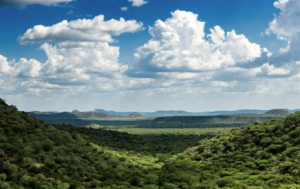
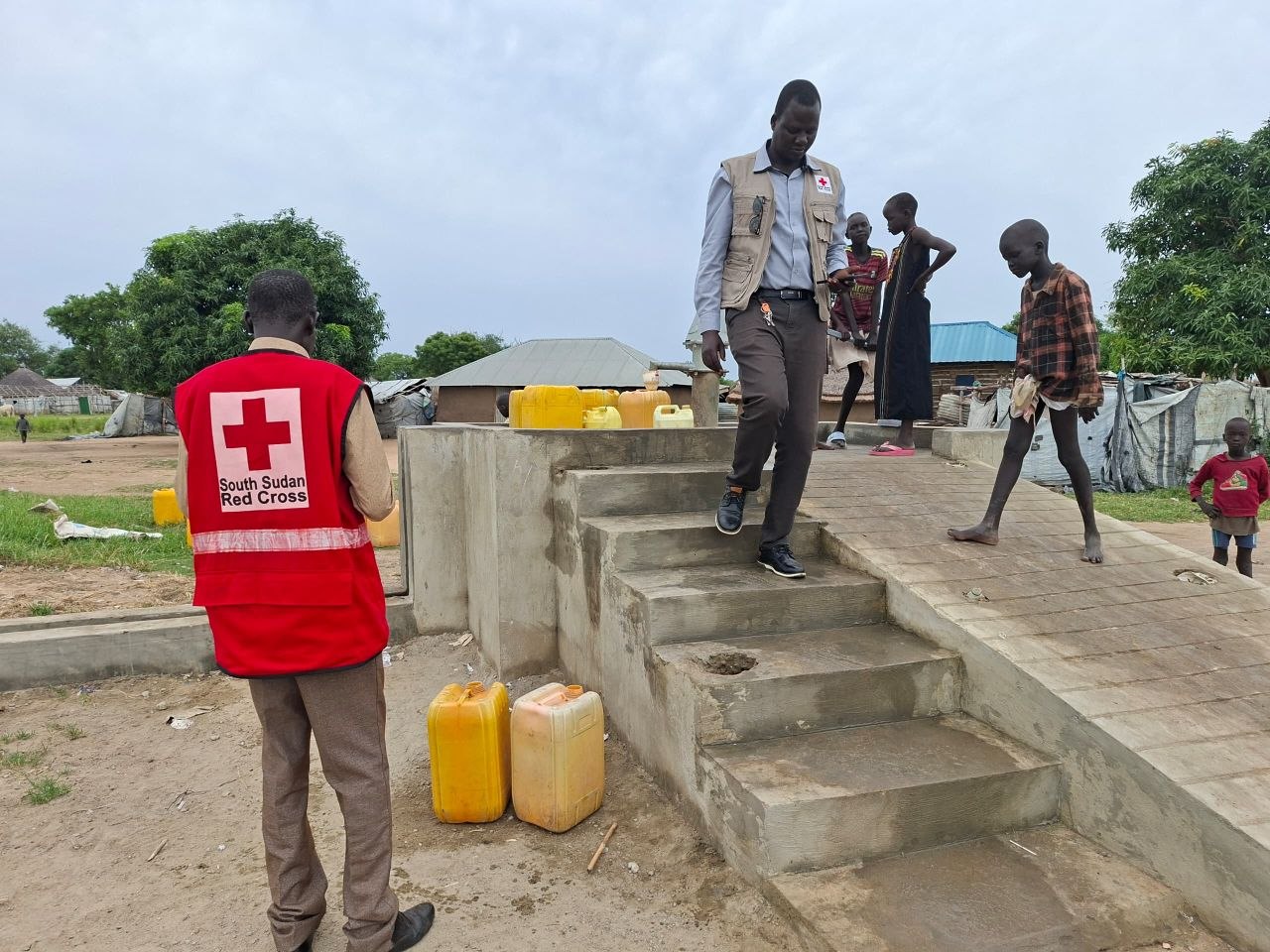
South Sudan is highly vulnerable to flooding, drought, and conflict-driven displacement, with limited infrastructure and data systems in place to support early warning. WHCA works to strengthen the country’s hydro-meteorological capacity and build community-based preparedness. Activities include training local responders, improving data collection, and developing communication strategies that reach remote and underserved populations. South Sudanese organizations are central to WHCA’s approach, ensuring that solutions are rooted in local knowledge and priorities. By linking early warning to early action, WHCA helps communities protect lives and livelihoods in the face of growing climate risks.
Partners implementing WHCA in South Sudan:
- South Sudan Red Cross
- Ministry of Humanitarian Affairs and Disaster Management
- South Sudan Meteorological Services
- Ministry of Water Resources and Irrigation
Resources
Publishing date: 15 July 2026
Making Water Infrastructure Climate-Resilient: How communities establish water points that survive floods and droughts in South Sudan and Ethiopia
Learn more
Making Water Infrastructure Climate-Resilient: How communities establish water points that survive floods and droughts in South Sudan and Ethiopia
Learn more
Publishing date: 7 April 2026
NEW PODCAST: The Climate Carrot Debuts with a Recipe for Collaboration
Learn more
NEW PODCAST: The Climate Carrot Debuts with a Recipe for Collaboration
Learn more
Publishing date: 10 February 2026
When The River Stayed: How A Mother Found Ground To Stand On In Jonglei
Learn more
When The River Stayed: How A Mother Found Ground To Stand On In Jonglei
Learn more
Publishing date: 3 February 2026
VIDEO | Water at the Heart of Climate Action in South Sudan
Learn more
VIDEO | Water at the Heart of Climate Action in South Sudan
Learn more
Publishing date: 13 January 2026
Turning the Tide: Building Climate Resilience in South Sudan
Learn more
Turning the Tide: Building Climate Resilience in South Sudan
Learn more
Publishing date: 1 January 2026
From Satellites to Sandbags: Placing Water at the Heart of Climate Action
Learn more
From Satellites to Sandbags: Placing Water at the Heart of Climate Action
Learn more
Publishing date: 1 January 2026
VIDEO | An Introduction to Water at the Heart of Climate Action
Learn more
VIDEO | An Introduction to Water at the Heart of Climate Action
Learn more
Sudan
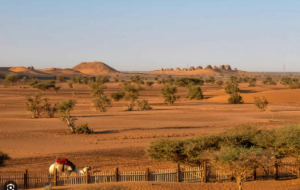
Sudan faces complex challenges including seasonal flooding, drought, and conflict-related displacement. Vulnerable populations, especially in rural and peri-urban areas, are at high risk of water-related disasters. WHCA in Sudan focuses on improving risk knowledge and forecasting capacity, supporting national hydrological services and local actors to develop effective early warning systems. The programme promotes inclusive planning and anticipatory action, ensuring that at-risk communities are not only informed but equipped to act. National partners lead the way in designing interventions that reflect local realities, bridging the gap between national systems and community needs. WHCA’s work in Sudan is a model of resilience-building in fragile contexts.
Partners implementing WHCA in Sudan:
- Sudanese Red Crescent Society
- National Council of Civil Defense
- Sudan Meteorological Authority
- Ministry of Irrigation and Water Resources
Resources
Publishing date: 20 May 2026
Anticipatory Action in the Midst of Conflict: A Spark of Hope in Sudan
Learn more
Anticipatory Action in the Midst of Conflict: A Spark of Hope in Sudan
Learn more
Publishing date: 7 April 2026
NEW PODCAST: The Climate Carrot Debuts with a Recipe for Collaboration
Learn more
NEW PODCAST: The Climate Carrot Debuts with a Recipe for Collaboration
Learn more
Publishing date: 10 March 2026
When The River Speaks: How Sudan Is Learning To Live With The Nile - Even In Times Of War
Learn more
When The River Speaks: How Sudan Is Learning To Live With The Nile - Even In Times Of War
Learn more
Publishing date: 1 January 2026
From Satellites to Sandbags: Placing Water at the Heart of Climate Action
Learn more
From Satellites to Sandbags: Placing Water at the Heart of Climate Action
Learn more
Publishing date: 1 January 2026
VIDEO | An Introduction to Water at the Heart of Climate Action
Learn more
VIDEO | An Introduction to Water at the Heart of Climate Action
Learn more
Uganda
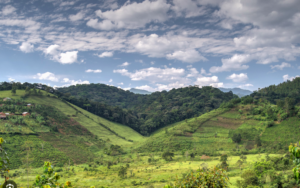
Uganda experiences frequent flooding, landslides, and prolonged dry spells, particularly in the eastern and northern regions. These hazards threaten agriculture, infrastructure, and public health, with marginalized communities bearing the brunt. WHCA supports Uganda’s national and local institutions to enhance early warning systems and improve coordination across sectors. Activities include strengthening data collection, forecasting capacity, and community engagement to ensure early warnings reach the last mile. The programme prioritizes locally led action, with Ugandan organizations driving the design and implementation of solutions. WHCA also works to integrate water management into climate adaptation strategies, helping communities anticipate and respond to risks before they escalate.
Partners implementing WHCA in Uganda:
Resources
Publishing date: 7 April 2026
NEW PODCAST: The Climate Carrot Debuts with a Recipe for Collaboration
Learn more
NEW PODCAST: The Climate Carrot Debuts with a Recipe for Collaboration
Learn more
Publishing date: 27 January 2026
From Forecasts To Futures: How Ugandan Communities Are Turning Early Warnings Into Everyday Action
Learn more
From Forecasts To Futures: How Ugandan Communities Are Turning Early Warnings Into Everyday Action
Learn more
Publishing date: 1 January 2026
From Satellites to Sandbags: Placing Water at the Heart of Climate Action
Learn more
From Satellites to Sandbags: Placing Water at the Heart of Climate Action
Learn more
Publishing date: 1 January 2026
VIDEO | An Introduction to Water at the Heart of Climate Action
Learn more
VIDEO | An Introduction to Water at the Heart of Climate Action
Learn more





Funded by