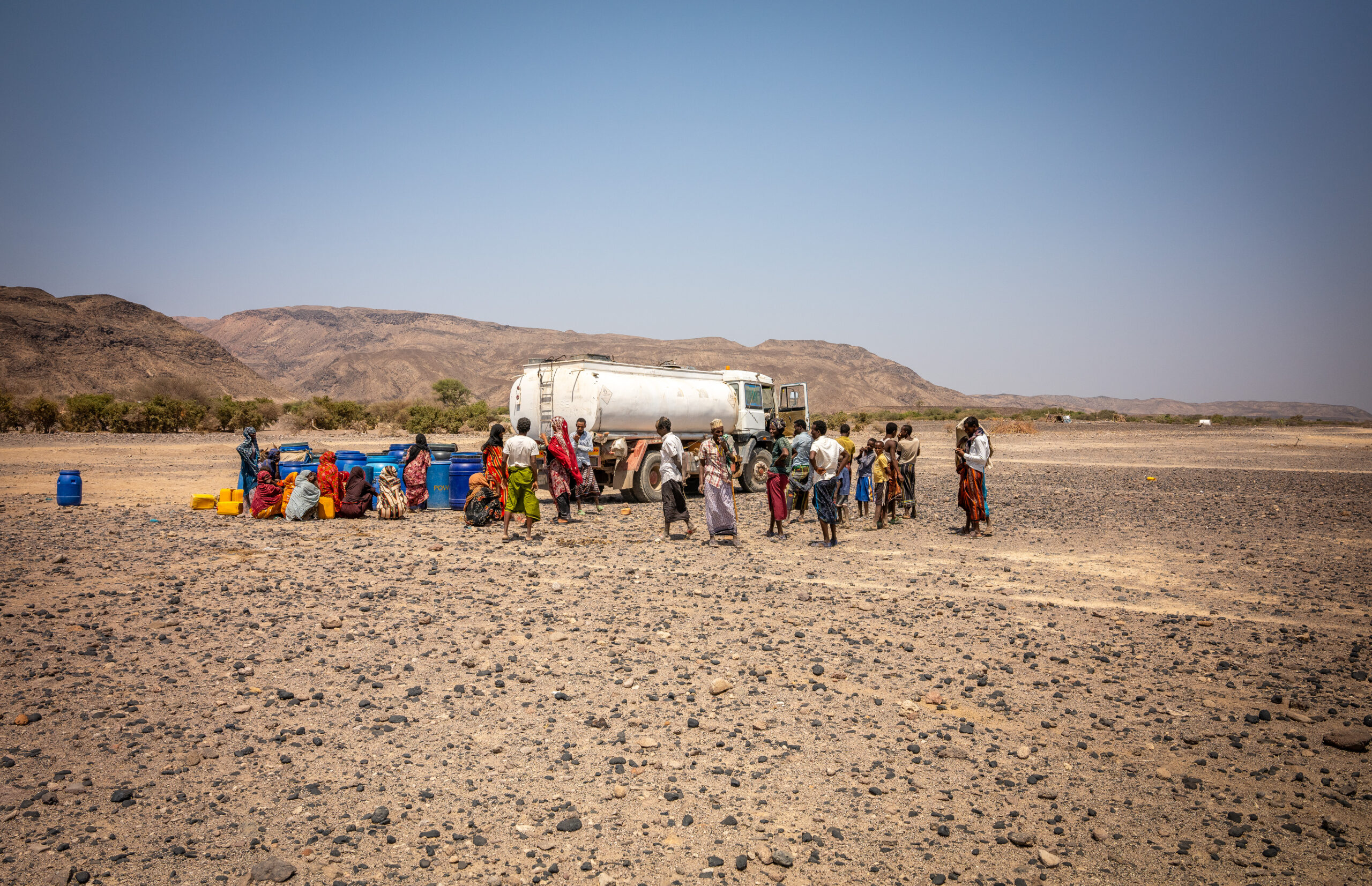
5 August 2026 - Preparing for Drought Before It Arrives: Early Action in Harshin, Ethiopia, June 2026


Making Water Infrastructure Climate-Resilient: How communities establish water points that survive floods and droughts in South Sudan and Ethiopia
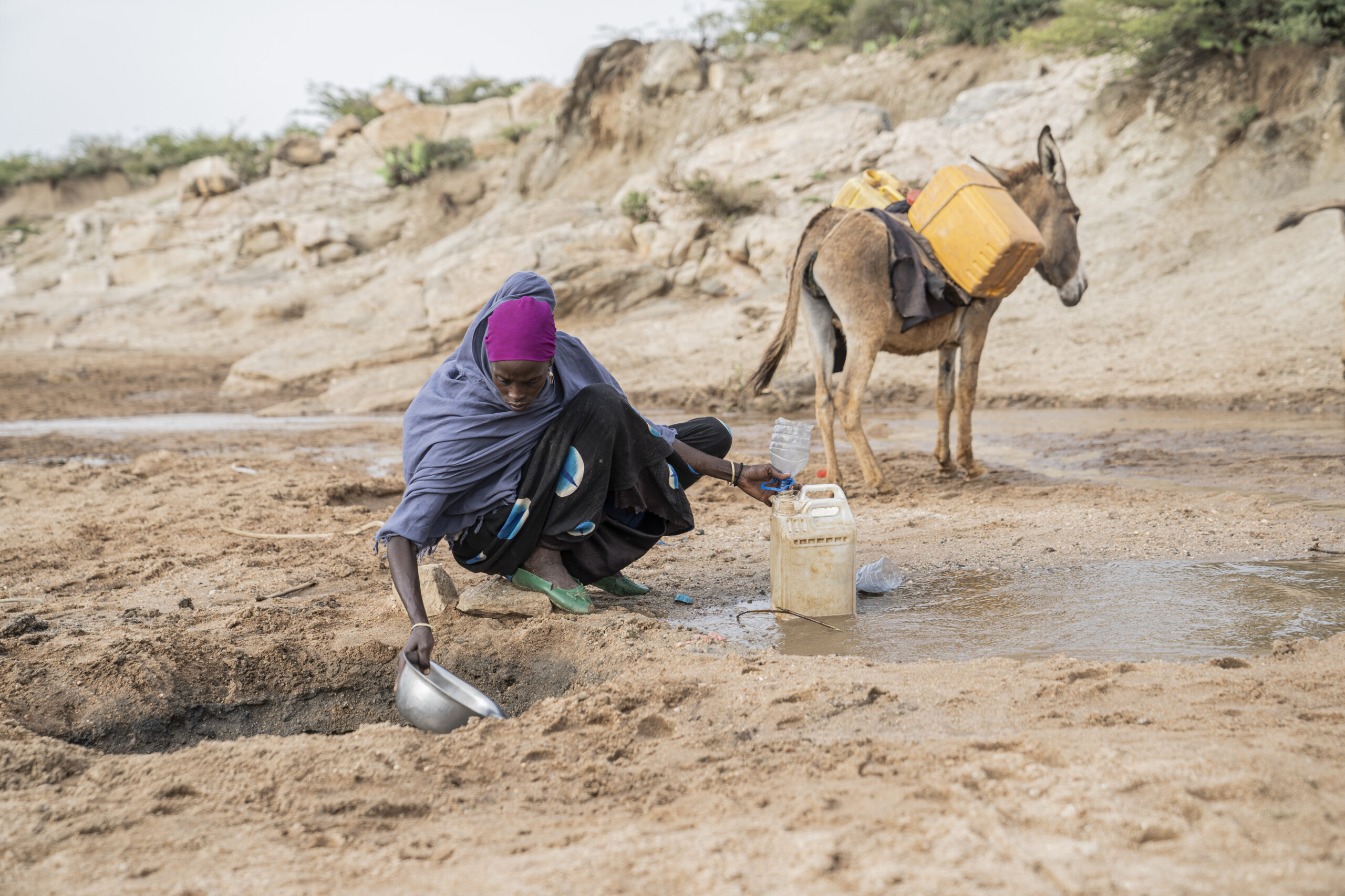
Across the Horn of Africa, climate change is a growing threat to water systems. Boreholes run dry, birkads crack in the heat, and floodwaters submerge the very wells communities depend on safe drinking water. Under Water at the Heart of Climate Action (WHCA), National Red Cross and Red Crescent Societies are responding by conducting climate risk water infrastructure assessments, rethinking how water infrastructure is designed. In South Sudan and Ethiopia, that has meant bringing engineers, water authorities, meteorologists, natural resource management experts, protection specialists and community members to the table to co-design water points that are built to last through the next shock.
South Sudan: Rebuilding Bor’s Water Points Above the Flood Line
A district that floods almost every year
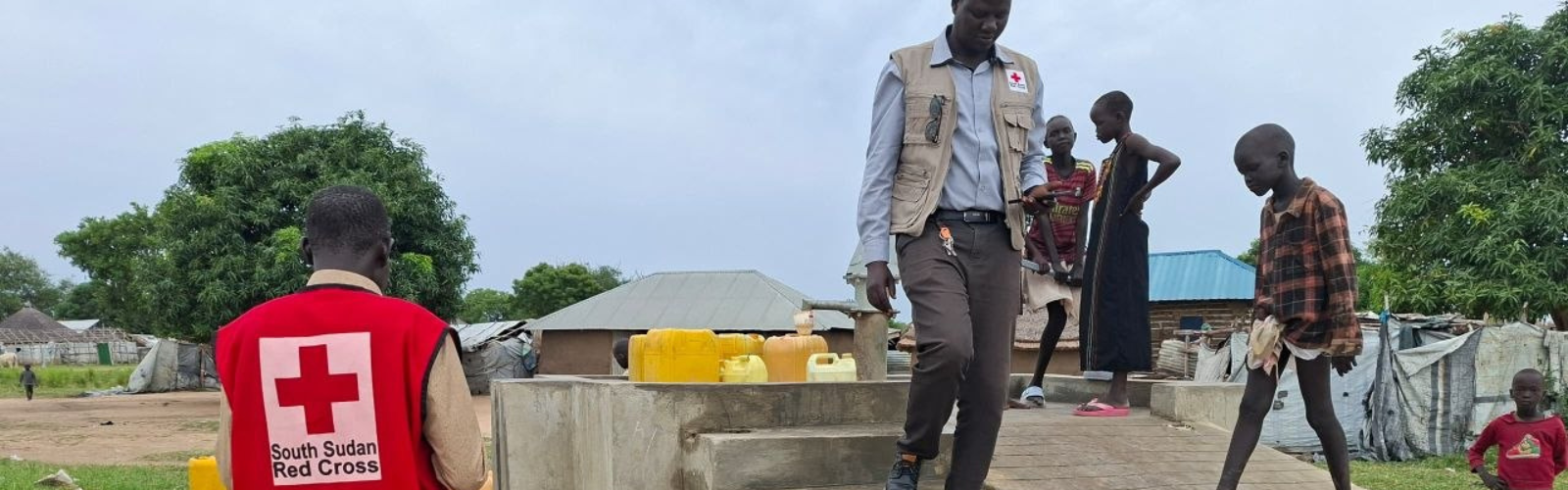
Bor, a district in Jonglei State, sits close to the White Nile and has been among the hardest-hit districts in South Sudan’s recent run of severe flooding. Successive years of heavy rains and rising river levels have repeatedly displaced residents, submerged homes, and cut off access to essential services. Water infrastructure has been especially exposed: hand-dug wells and hand-pump platforms built at ground level are quickly surrounded and submerged when the water rises, allowing floodwater and waste to mix with the water supply. For families already coping with displacement, this often means a choice between walking further for safer water or relying on sources that put them at risk of cholera and other waterborne diseases.
Designing with the community
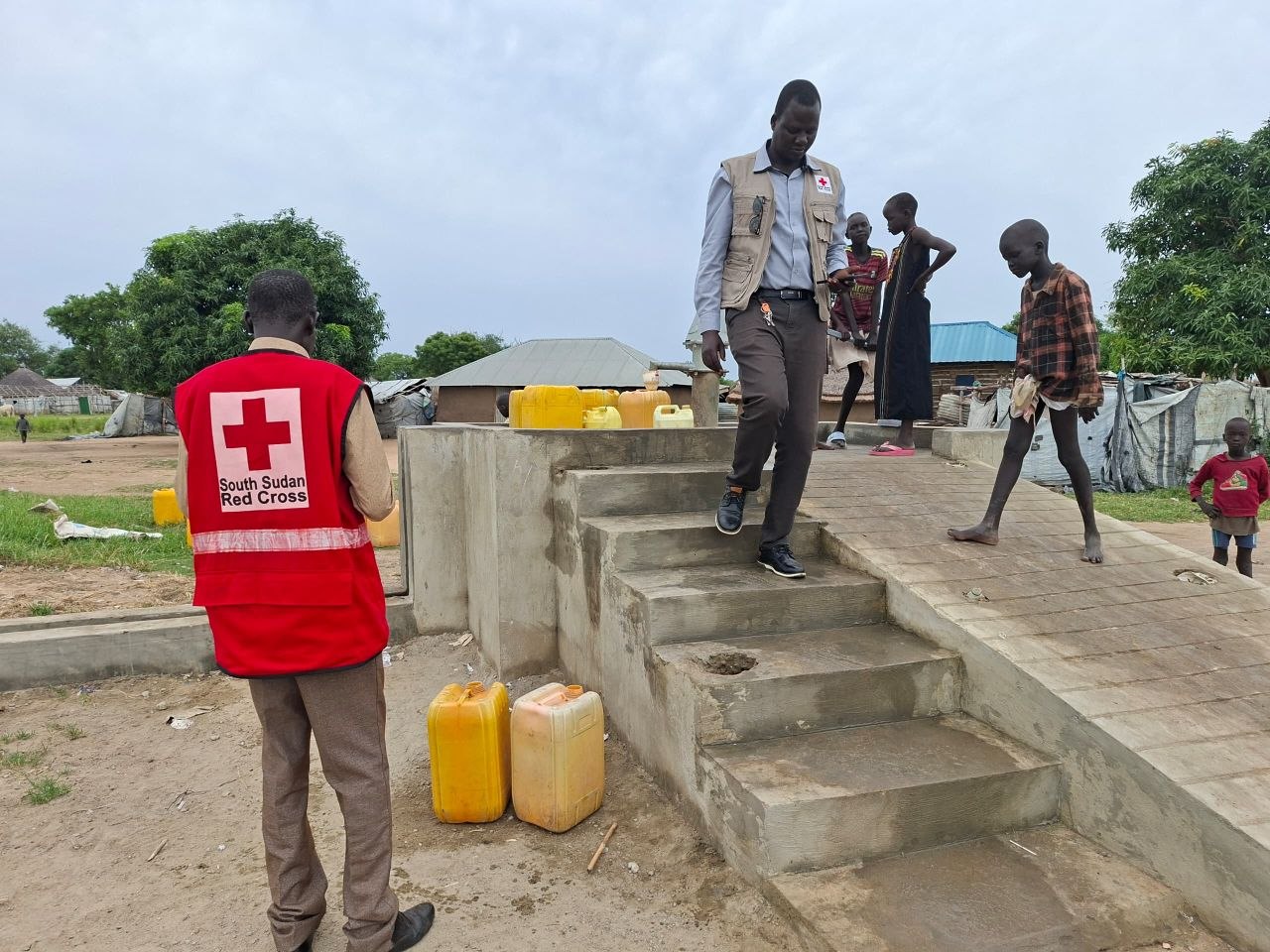
To break this cycle, the South Sudan Red Cross brought together local experts and community members to look at how water points in flood-prone parts of Bor were built: where floodwater collects, how high it typically rises, which materials hold up, and who struggles most to reach a water point safely, including children, older people, and persons with disabilities. Out of these conversations came a modified design: a new water point platform which is raised well above the expected flood level, so the pump and drawing point stay clear of the water even when the surrounding ground is flooded. A stepped approach and a ramp with metal handrails were added on either side, keeping the water point accessible for everyone. A lined drainage channel carries spilled water away from the platform instead of letting it pool and re-contaminate the site.
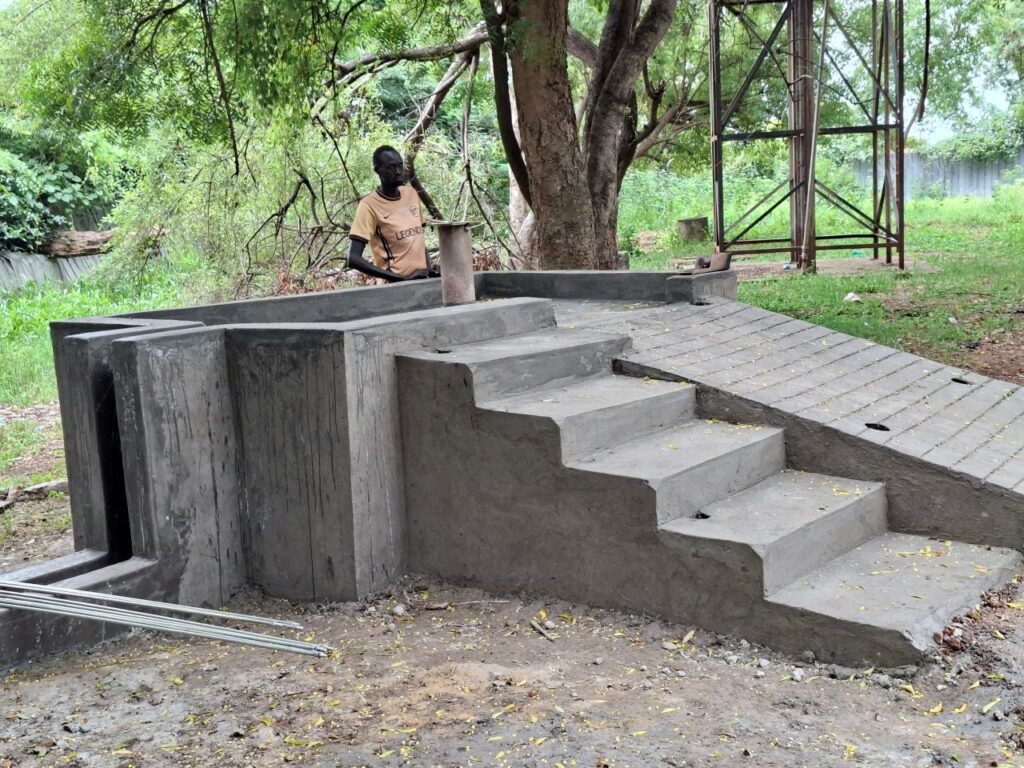
The result signals a shift in approach: instead of repairing or constructing the same low-lying structure after every flood season, the South Sudan Red Cross and its partners are building water points designed to keep functioning through the flood — protecting both the infrastructure and the people who depend on it.
Ethiopia: Addressing Two Very Different Climate Challenges
A region running on failing water schemes
In Ethiopia’s Somali Region, more than half of the population relies on unsafe or seasonal water sources, and a large share of the region’s roughly 700 water schemes are non-functional. In Harshin and Kelafo woredas, the reasons differ sharply. Harshin is defined by chronic drought, extreme heat, and a dependence on deep, costly-to-pump groundwater. Kelafo faces a flood-drought paradox: flash floods and saline groundwater sit side by side with recurrent dry spells, so infrastructure has to cope with too much water and too little, sometimes within the same year.
Tackling the Resilience of Water Infrastructure, Together
The Ethiopian Red Cross Society, the Netherlands Red Cross, the International Federation of Red Cross and Red Crescent Societies (IFRC) and local experts reviewed existing designs for boreholes, shallow wells, birkads, Hafirs and rainwater harvesting systems. Together, they identified exactly why they were failing under climate stress and co-developed improved versions, paying close attention to factors like multi-hazard resilience, durability, cost, and how easily communities could maintain them.
Two woredas, two tailored solutions
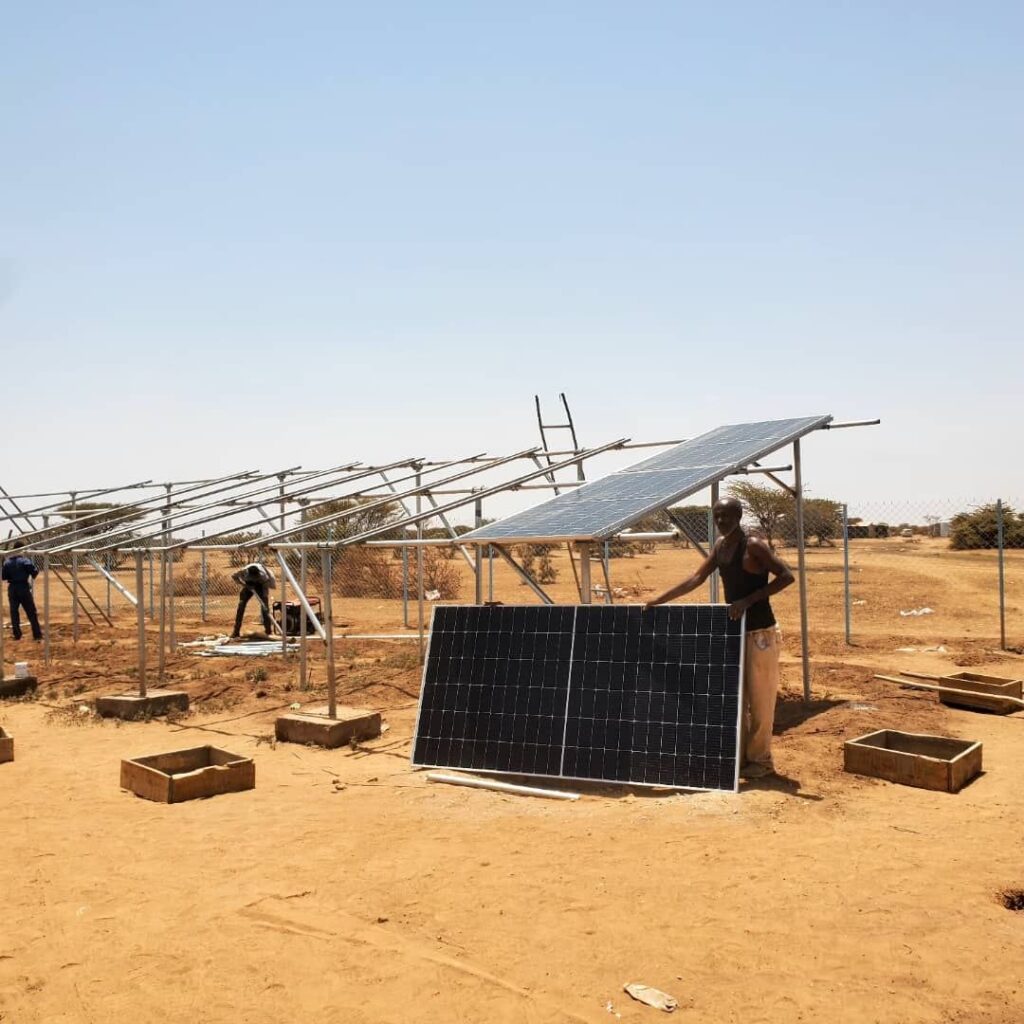
For Harshin, boreholes currently running on expensive diesel pumping will shift to solar-powered systems paired with additional storage and managed aquifer recharge, expected to cut operating costs close to zero and reduce dependence on unreliable fuel supplies. For Kelafo, where high groundwater salinity rules out many boreholes, solar-powered river intake systems will be built with flood-protected underground pump housing, alongside improved and larger Birkads to capture rainfall for communities further from the river. In both woredas, the same co-design process was extended beyond water points to climate-resilient latrines and shelters (raised platforms, heat-resistant materials, flood-anchored structures), so that gains in water access are not undermined by failures elsewhere.
A Shared Lesson: Resilience Is Designed, Not Assumed
The details differ — a raised platform with steps in Bor, solarized boreholes in Harshin, protected river intakes in Kelafo — but the approach behind them is the same. In both South Sudan and Ethiopia, Red Cross teams did not simply rebuild what climate hazards had damaged. They brought experts and the communities who use these systems every day into the conversation and let it shape the design. This is the core idea behind making water infrastructure climate-resilient: treating co-design as the foundation for infrastructure that keeps serving communities through the next flood, the next drought, and the next heatwave.
Credit: Sirak A. Temesgen, Netherlands Red Cross.
Contributors: Jonston Tibilikirwa, Netherlands Red Cross in South Sudan; Abraham Tesfaye, Ethiopian Red Cross Society; Desmond Ongara, Netherlands Red Cross in Ethiopia
Want to know more?
Get in touch with:
WHCA country coordinator, Ethiopia: Abraham Tesfaye abraham.tesfaye@redcrosseth.org
WHCA country coordinator, South Sudan: David Bidal George Black david.bidal@ssdredcross.org





Funded by