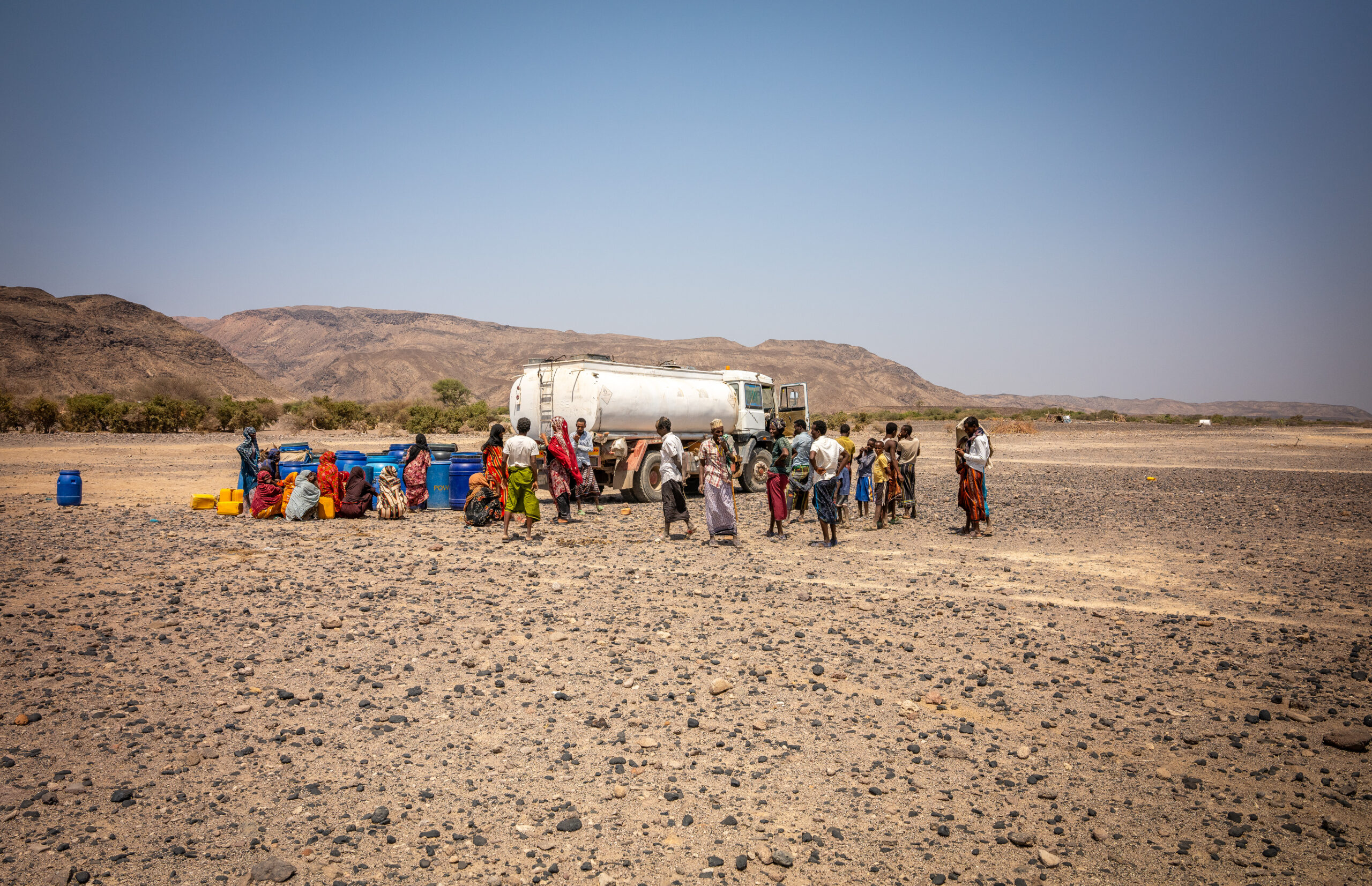
5 August 2026 - Preparing for Drought Before It Arrives: Early Action in Harshin, Ethiopia, June 2026


Anticipatory Action in the Midst of Conflict: A Spark of Hope in Sudan
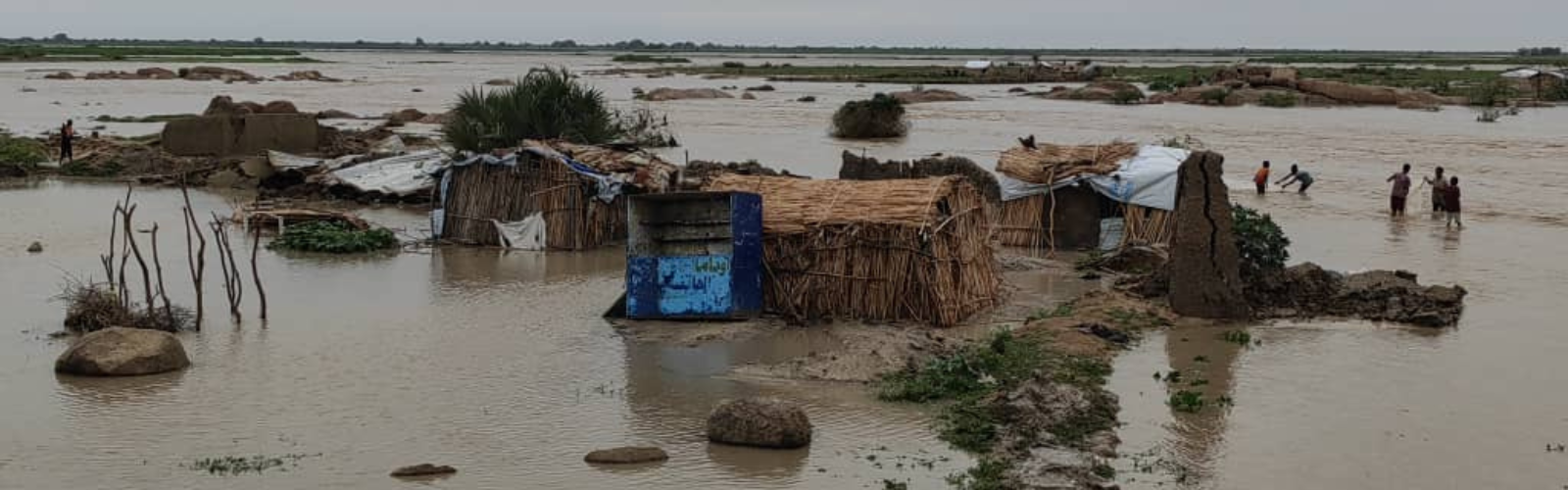
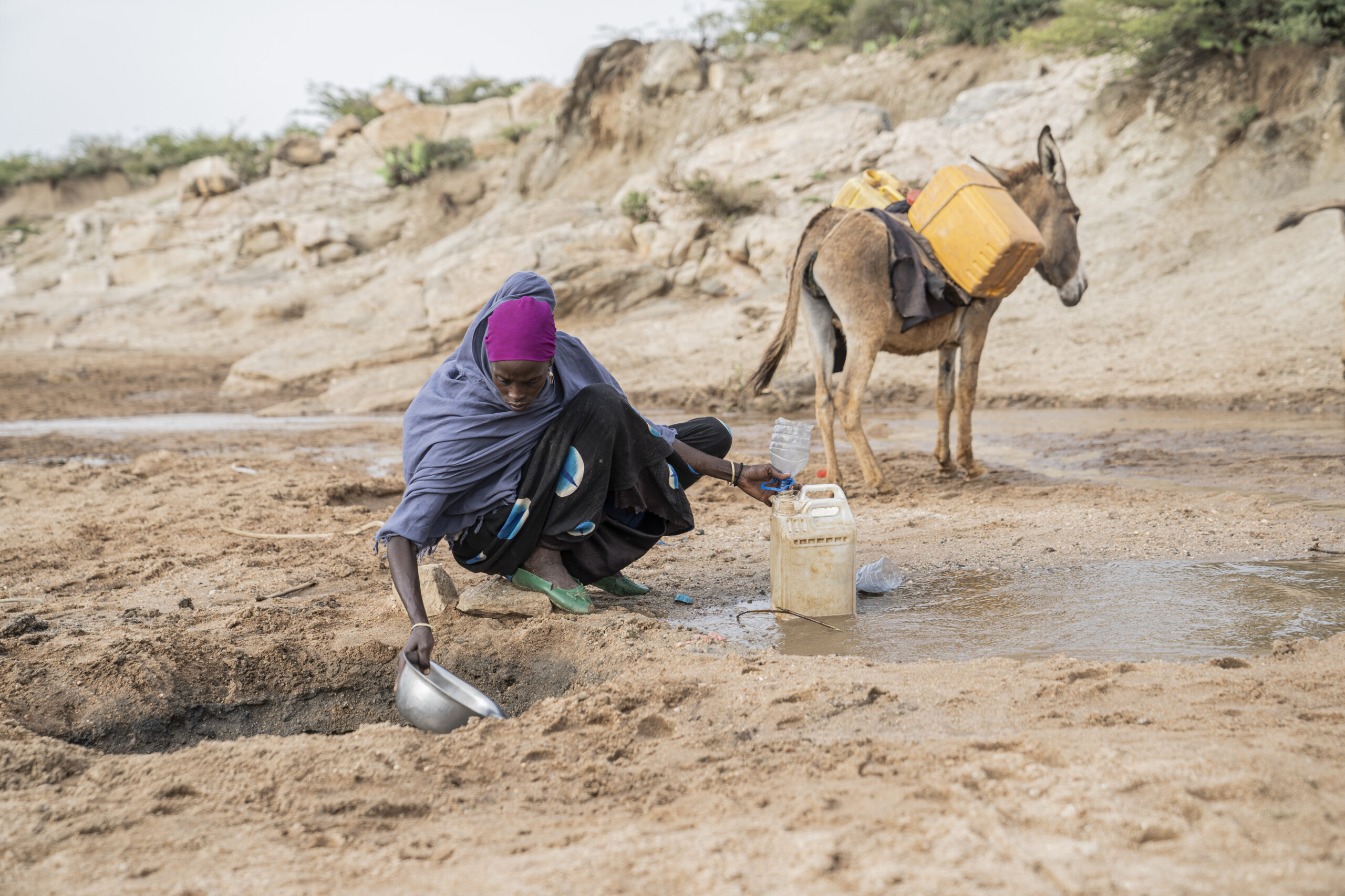
Sudan is entrenched in a severe humanitarian crisis due to ongoing conflict, leaving 30.4 million people in acute need of humanitarian support. Since April 2023, over 12 million individuals have been forcibly displaced, with 4 million having fled Sudan to neighbouring countries. The scale of this humanitarian emergency has brought 24 million people to the brink of food insecurity, with 635,000 of them experiencing famine conditions. In front of this conflict backdrop, consider the heightened impact if a disaster were to hit Sudan. Driven by climate variability and rainfall patterns, Sudan is increasingly exposed to water-related hazards such as flooding and drought. Even a low-intensity climate event can devastate households and internally displaced persons who are already in dire straits.
“In the north of Sudan, the amount of rain does not exceed 10mm. But in 2024, within one day, this area received 140mm. That is very difficult, unless we have an early warning system in place.”
Elabbas Adam Nagi Adam, Early Warning Specialist at the National Council for Civil Defense in Sudan
In the face of compound natural and human-made hazards, anticipatory action can offer a glimmer of hope, giving communities the tools to protect themselves from the forces of nature. Water at the Heart of Climate Action (WHCA) supports this cause, partnering with national hydro-meteorological services, disaster management agencies, and humanitarian actors to develop effective early warning systems. Ensuring that at-risk communities are not only informed but equipped to act, national partners design data-driven interventions that reflect local realities. As such, WHCA’s work in Sudan is a model of resilience-building in fragile contexts.
“WHCA empowers individuals in terms of skills, and communities in terms of economy and health. Built on local community knowledge, our actions are lifesaving. Despite the unstable context in Sudan, our work is already making impact at the most granular level.”
Daudi Mlimilwa, Project Delegate of the Netherlands Red Cross to the Sudanese Red Crescent Society
Innovative and inclusive solutions to complex challenges
Disasters do not wait for countries to recover from political turmoil. They exacerbate existing vulnerabilities, making it crucial to implement anticipatory action strategies that can mitigate the impact of these hazards. Data and digital tools offer hope in this complex scenario, enhancing anticipatory action efforts. Remote sensing, satellite imagery, and water mappings provide real-time data crucial for early warning systems, enabling humanitarian agencies to pre-position resources and plan evacuation strategies.
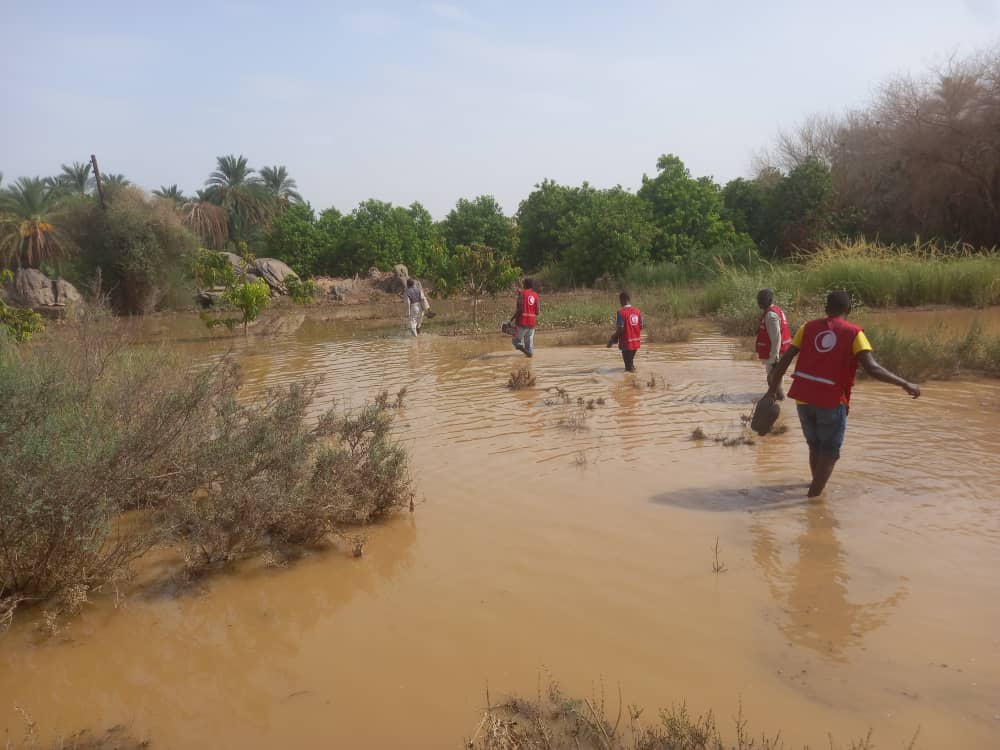
The revolution in the digital space offers unprecedented opportunities to leverage secondary data for early warnings and proactive measures. Social media platforms can swiftly disseminate critical information to at-risk populations, enabling them to anticipate and respond to natural hazards before they escalate into full-blown disasters. Beyond leveraging new digital avenues, leaving no one behind is crucial. This is why WHCA actors in Sudan ensure to reach the last mile through a diverse range of channels:
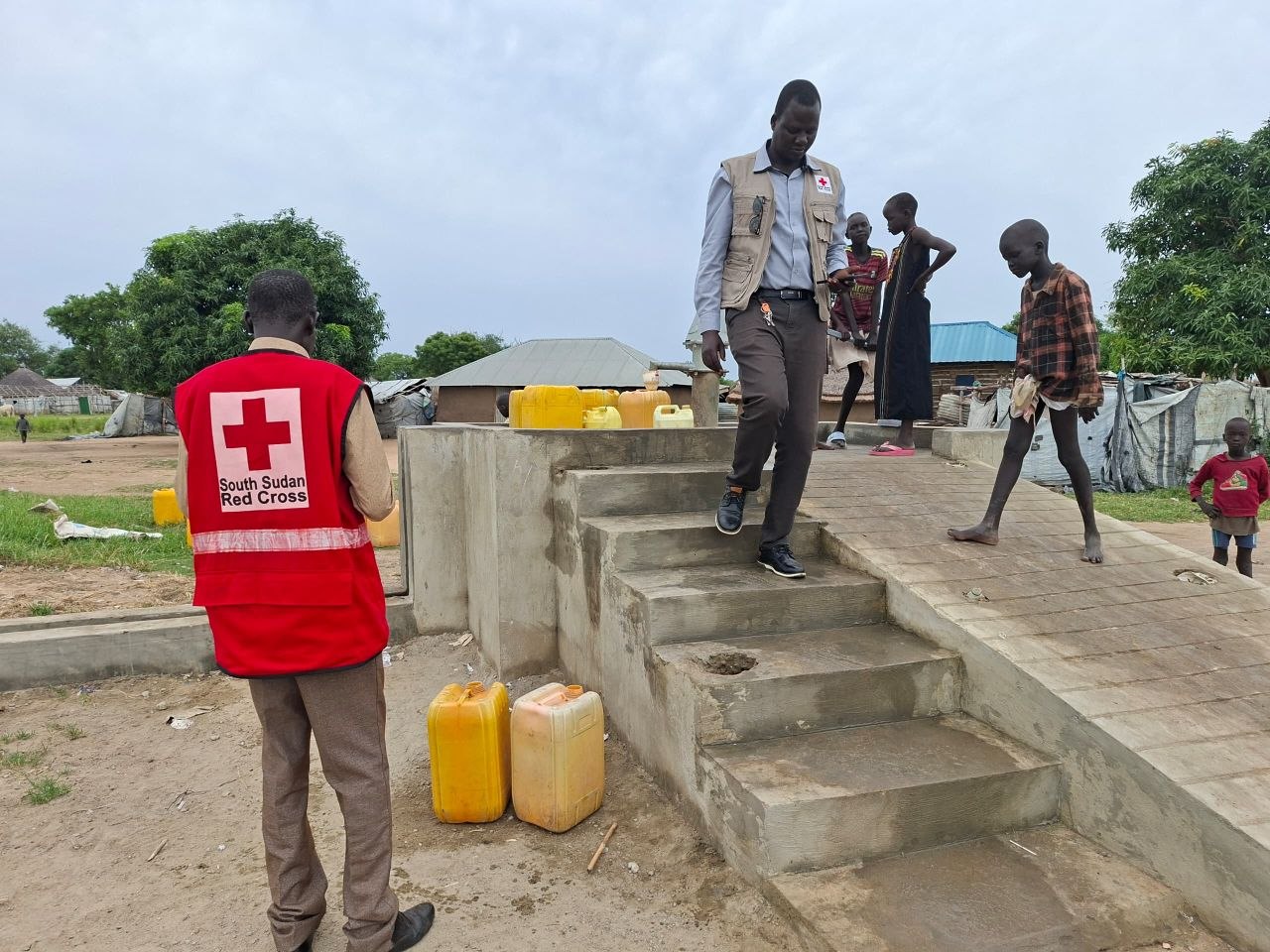
“We want to disseminate early warnings, but some people cannot listen to radio, read, watch TV or have a telephone to receive them. For this, community guides disseminate alerts directly on the ground.”
Elabbas Adam Nagi Adam, Early Warning Specialist at the National Council for Civil Defense in Sudan
The way forward
Anticipatory action for natural hazards in conflict areas like Sudan is not just an option but a necessity. Once established, anticipatory action offers a better way to respond to growing humanitarian needs with limited resources. In a context where every second counts, anticipatory action transforms uncertainty into preparedness, through early warnings leading to early action. Through WHCA’s commitment to early warning systems and community-driven solutions, Sudan is proving that resilience can take root even in the most fragile places.
Credit: Khairul Sheikh, Netherlands Red Cross in Sudan
Want to know more?
Get in touch with WHCA country coordinator for Sudan: Yassir Abdallah yassir.abdallah@rc-srcs.org






Funded by