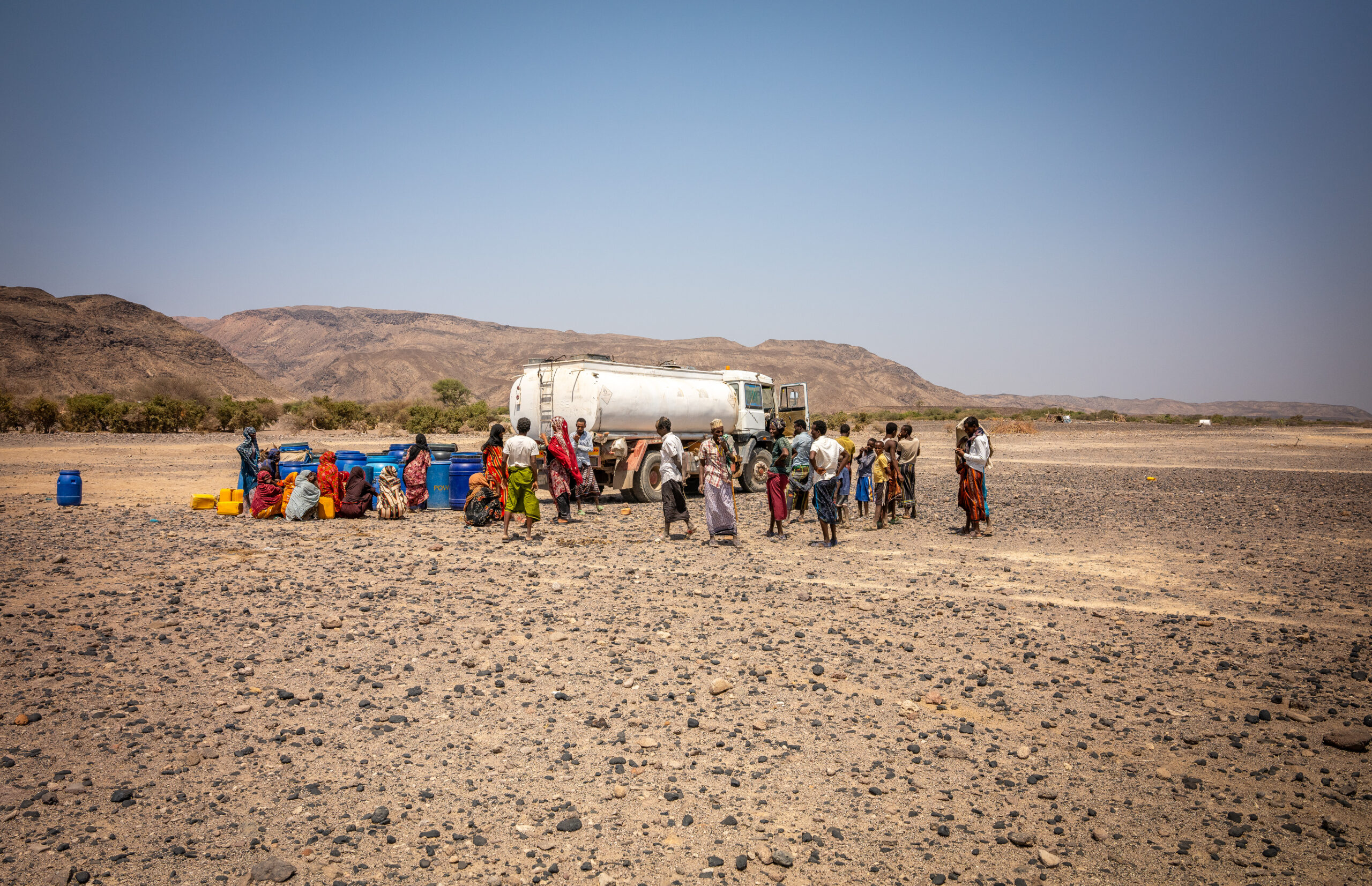
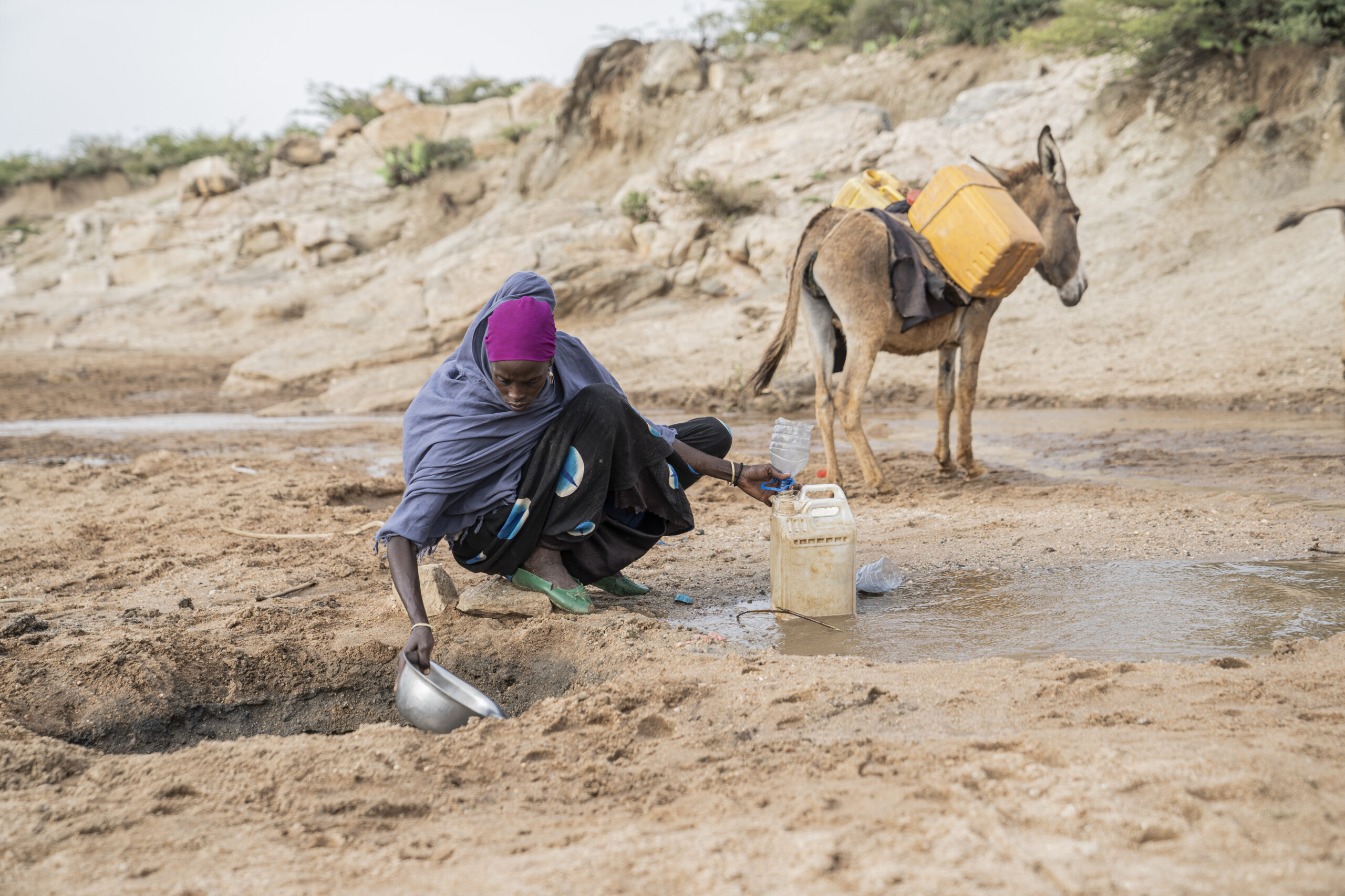
5 August 2026 - Preparing for Drought Before It Arrives: Early Action in Harshin, Ethiopia, June 2026


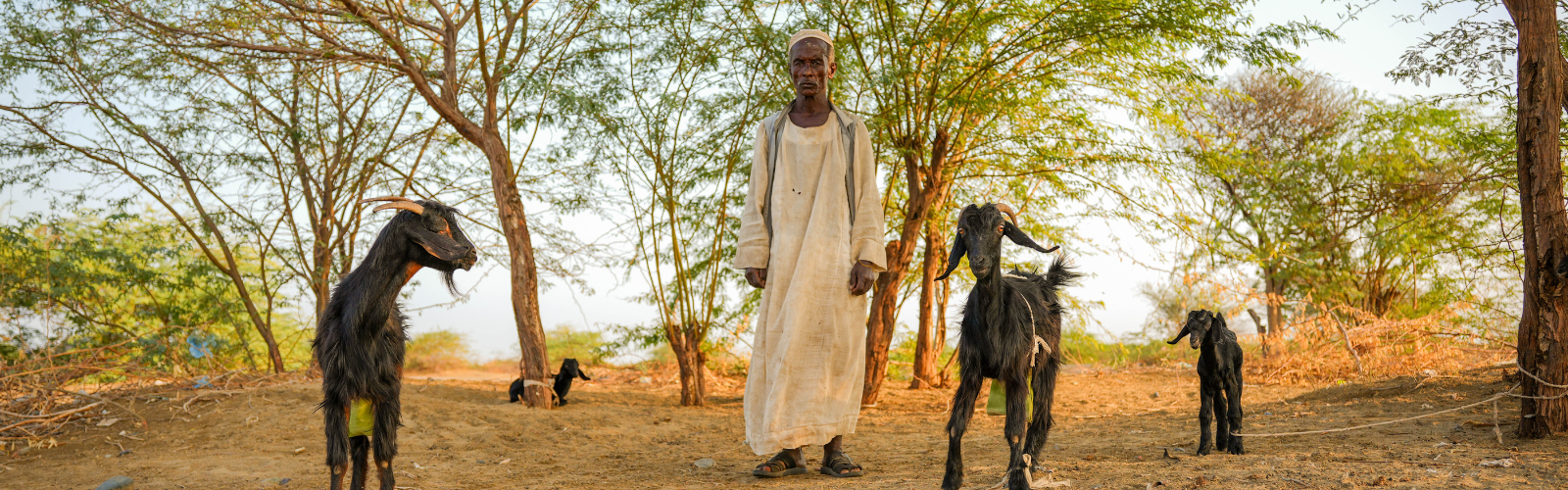
When The River Speaks: How Sudan Is Learning To Live With The Nile – Even In Times Of War
Where the Nile Meets the Storms: Two Floods, One Struggle
For weeks, experts at the Ministry of Water Resources and Irrigation (MWRI) have been tracking rainfall across Sudan and beyond. In Ethiopia, storms have filled upstream reservoirs. In Darfur, torrential rains have pounded the mountains.
“In Sudan, floods come from two directions,” explains Mr. A. Saghayroon, Director General of Nile Water at the MWRI. “The flash floods originate inside Sudan – from wadis and sudden storms – while the Nile floods come from outside, through the basin. We must forecast both, using different systems.”
This dual challenge defines Sudan’s climate struggle: managing internal flash floods and external river floods at once, amid a fragile political and humanitarian context.
A Country Living Through Climate and Conflict
On 31 August 2025, that struggle turned tragic. After days of relentless rain in the Jebel Marra mountains of Darfur, a massive mudslide buried the village of Tarsin, killing nearly 1000 people.
The catastrophe struck a region already shattered by war. Since April 2023, the conflict has crippled Sudan’s infrastructure and left Darfur isolated – without paved roads, cut off from communications, and almost unreachable for humanitarian convoys. Jebel Marra is prone to landslides and collapses during heavy rains. Without monitoring stations or stable communications, there was no warning system to protect the people of Tarsin.
“People were trapped between the hill and the fighting,” recalls a Sudanese Red Crescent Society volunteer. “We had rainfall alerts, but we could not reach everyone in time.”
Forecasts Built on Two Foundations
Inside MWRI’s National Flood Forecasting Centre in Khartoum, the forecasting process begins with integration of rainfall, river flow, and ground data.
“In Sudan, meteorology and hydrology are part of the same ministry,” Saghayroon explains. “That makes collaboration easier. We build forecasts together.”
There are two key systems:
- Flash flood forecasts: based primarily on rainfall data from the Sudan Meteorological Authority with its observation networks, supported by the World Meteorological Organization (WMO) and the Systematic Observations Financing Facility (SOFF); and
- Nile flood forecasts: a specialized early warning system that monitors water flows from outside Sudan, using satellite and river data shared through regional centres.
“For the Nile, we must look beyond our borders,” he says. “The flood may start in Ethiopia or South Sudan, but it ends in Khartoum.”
These forecasts are compiled into daily bulletins, integrating information from upstream and local sources. The results are shared with the National Council of Civil Defense (NCCD) and humanitarian partners including the Sudanese Red Crescent Society.
When the Forecast Saved Khartoum
M. Saghayroon recalls one of the system’s proudest moments.
“In 2020, we faced one of the biggest floods in our history. Heavy water was coming from upstream. We issued a forecast that gave us time to act. Using our dams – though small – we managed to capture about three billion cubic metres in Kousseri Dam. That saved Khartoum from disaster, because the city was already above its highest recorded level.”
That moment, he says, proved that anticipation works – and that Sudan’s hydrological expertise can still deliver results, even under immense pressure.
From Forecasts to Action
Once forecasts are issued, the NCCD coordinates a network of nearly 40 institutions – from environment and health ministries to the General Administration of Civil Defense.
“When there is a disaster, we share all information through the NCCD,” Saghayroon explains. “Civil Defense has points all along the Nile to disseminate warnings. We also work with the Sudanese Red Crescent Society and local NGOs to reach communities.”
During floods, this system activates a chain of alerts: warnings to provincial authorities, local volunteers, and residents in low-lying areas. In many communities, Sudanese Red Crescent Society volunteers act as the final link – using radios, phones, and megaphones to spread the message.
Managing Dams, Managing Risk
Dams such as Roseires, Sennar, and Kousseri are central to Sudan’s flood resilience. Operators receive daily updates from the MWRI’s flood centre, allowing them to adjust releases carefully.
In 2025, these coordinated releases helped prevent flooding in parts of Gezira State and Khartoum, even as the western regions faced catastrophic rains.
Still, the challenge remains: how to extend the same precision and early warning to Darfur and Kordofan, where flash floods and mudslides hit without warning.
Forecasts in Fragility
Conflict has severely disrupted communication networks and observation infrastructure. Yet, with support from Water at the Heart of Climate Action (WHCA) and regional centres in Kenya, Sudan is expecting to slowly restore its hydro-meteorological system in an updated, resilient form.
“We rely on WHCA to help us modernize,” says Saghayroon. “Their support through regional centres keeps our data connected and our services alive.”
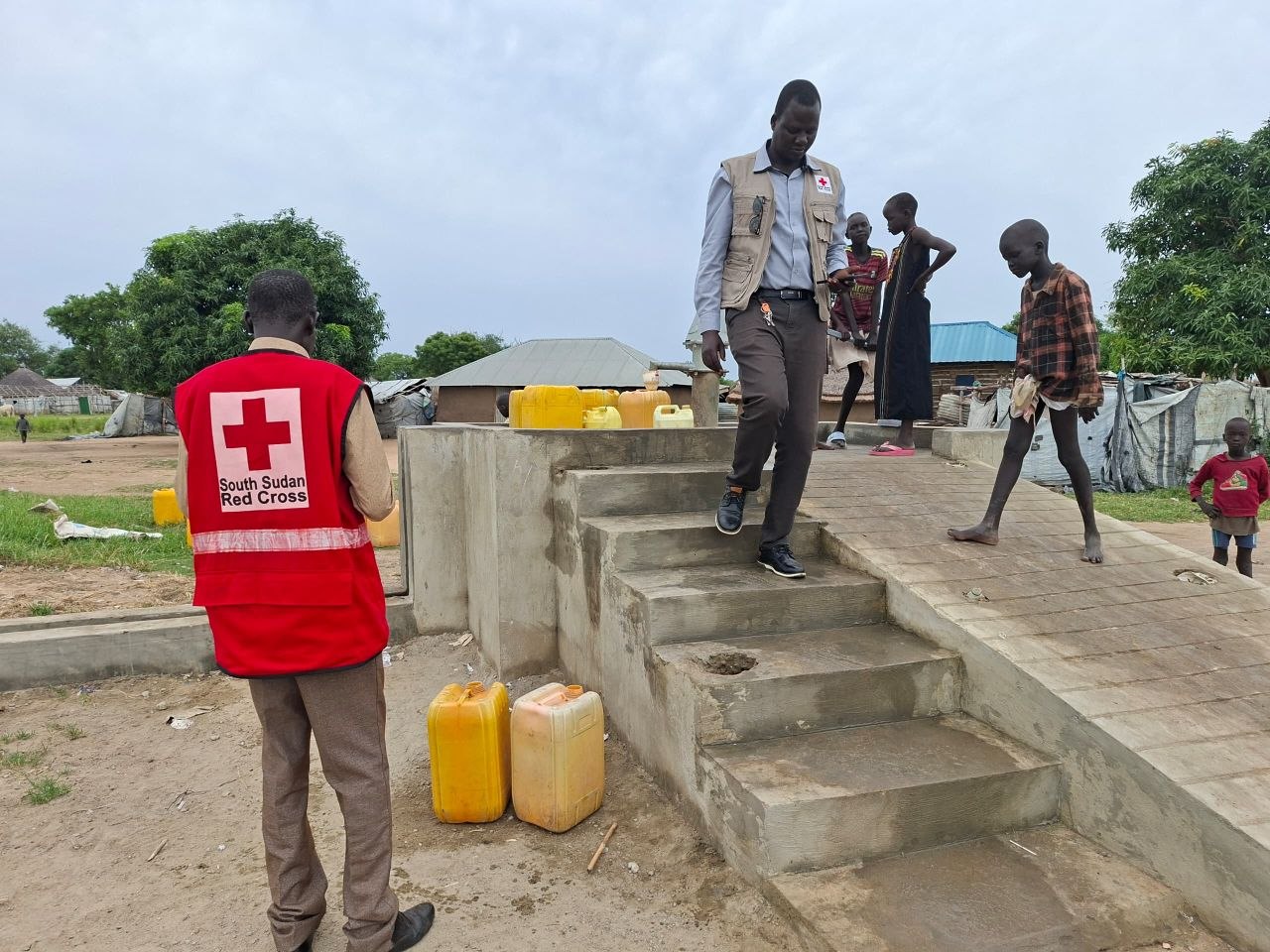
In Al Fasher and other conflict-affected areas, Sudanese Red Crescent Society volunteers form a bridge between forecast and action. They bring information directly to displaced people – in person, in local languages, and often at great personal risk.
A Future Built on Anticipation
From the floodplains of the Nile to the mountains of Darfur, Sudan’s experience underscores the power of anticipation and partnership. Each actor – scientists, dam engineers, volunteers, and communities – plays a part in transforming data into safety.
“Even in conflict situations, weather, climate and hydrological information must flow,” says an NCCD officer. “Because the water will not wait for peace.”
In Sudan today, the river still speaks – through sensors, forecasts, and the voices of those who listen. And thanks to the resilience of those who keep watching, more people are learning to act before it speaks too loudly.
Credit: Cheikh Kane, Red Cross Red Crescent Climate Centre
Want to know more?
Get in touch with WHCA country coordinator for Sudan: Elsir Abdelgader elsirsrcs@yahoo.com






Funded by