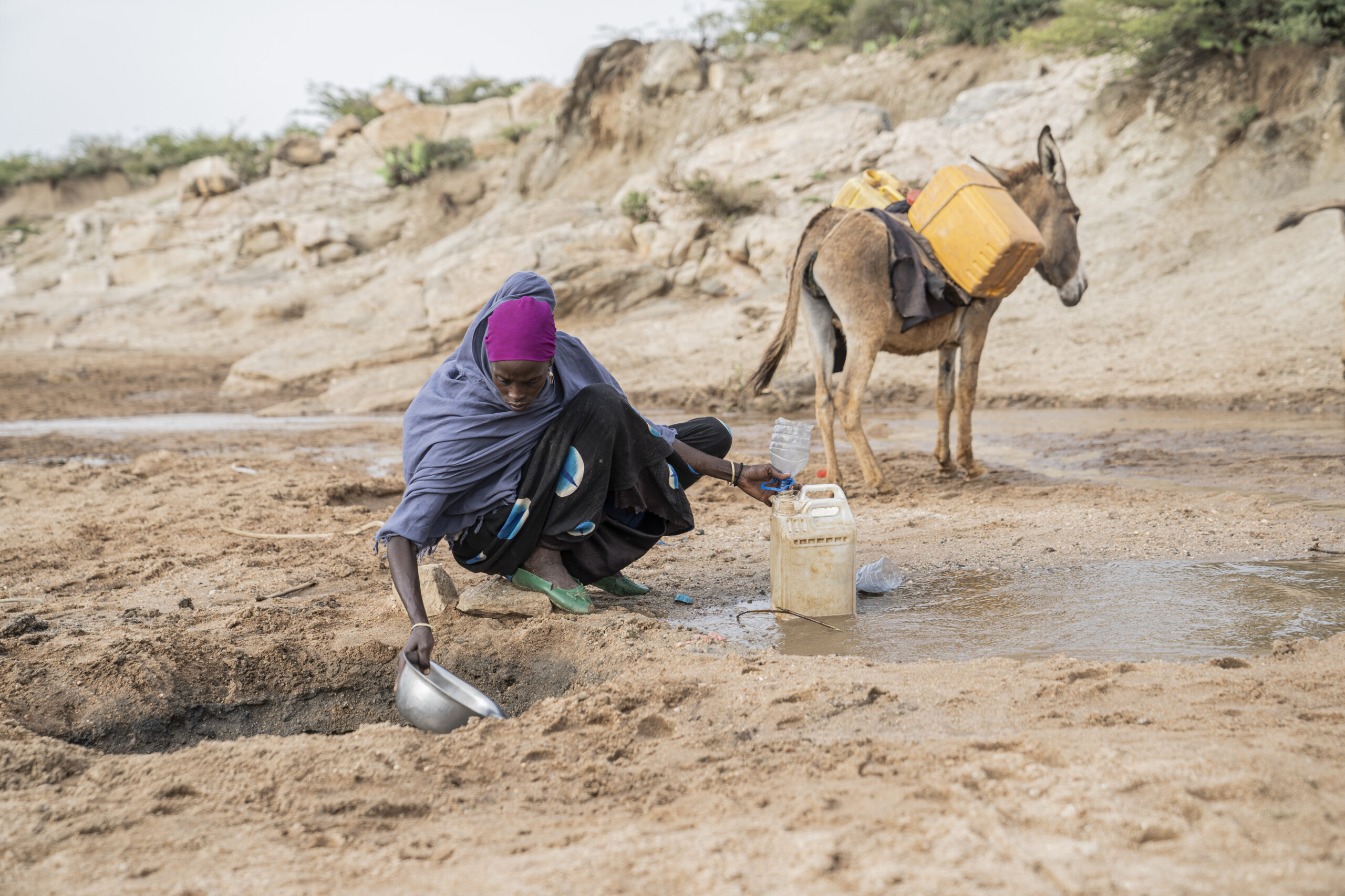
5 August 2026 - Preparing for Drought Before It Arrives: Early Action in Harshin, Ethiopia, June 2026


When The River Stayed: How A Mother Found Ground To Stand On In Jonglei
A Land Shaped by Water
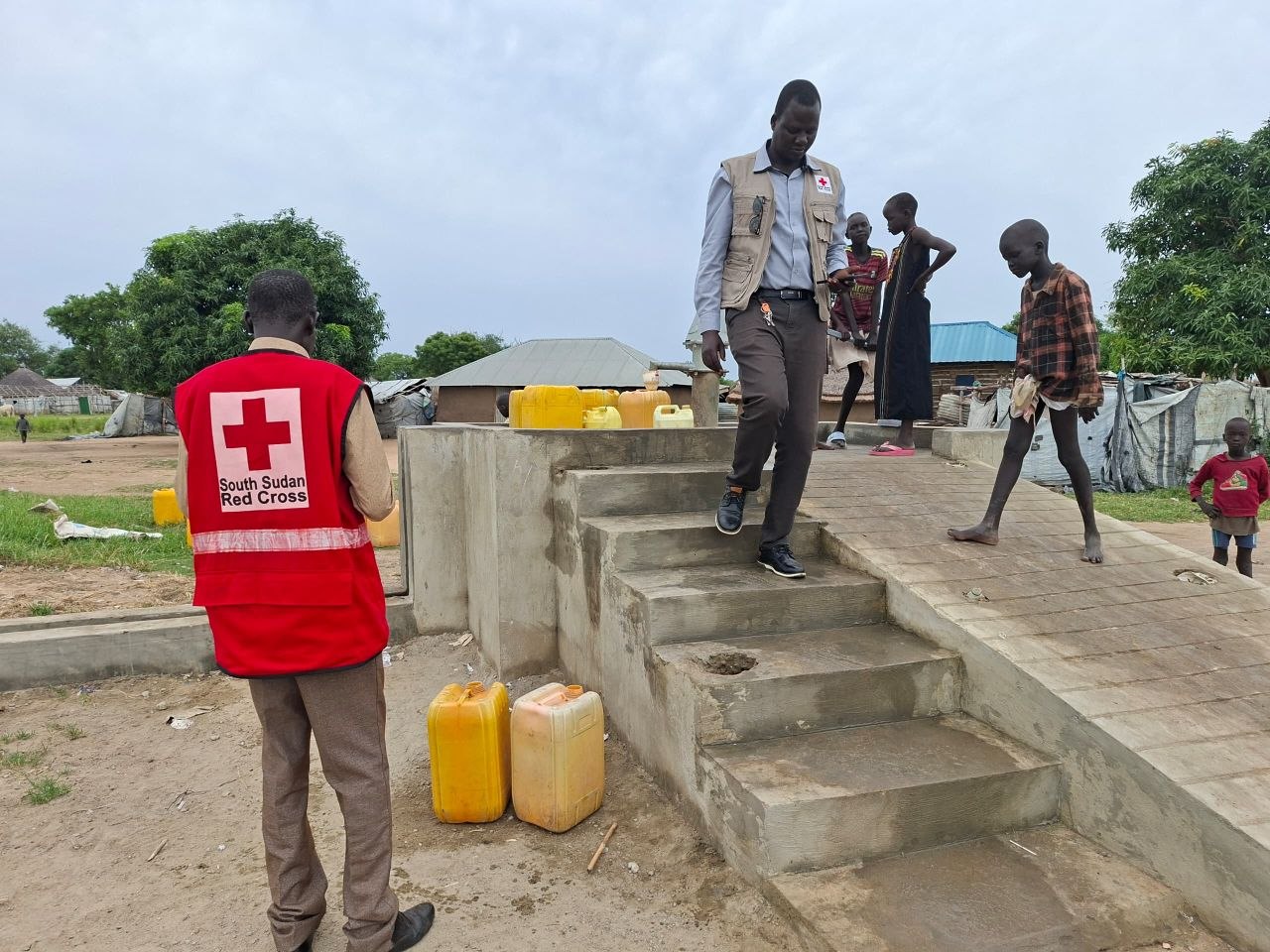
For many families in Bor South and Twic East, South Sudan, flooding has become part of life’s rhythm – arriving each year, staying too long, and taking too much.
In 2019, the Nile overflowed its banks with a force unseen in decades. The floods returned in 2020, 2021, and again in 2023 – year after year of water that refused to leave. Each season, homes were lost, harvests ruined, lives displaced. Some families fled five times in five years.
Now, through Water at the Heart of Climate Action (WHCA), a different story is unfolding – one where communities not only react to floods but anticipate and adapt to them.
From Policy to the People
Flood resilience in Jonglei does not begin with the river; it begins with South Sudan’s commitment to prepare. Dr. Banak Joshua Dei Wal, Director General of Disaster Management at the Ministry of Humanitarian Affairs and Disaster Management (MHADM), notes that the country already has a strong foundation for coordinated action:
“We’ve had a disaster management policy since 2016,” he explains.“It’s our guiding star, linking national, state, and county levels. Each year, we activate disaster risk management committees in hotspot areas, especially where floods are expected.”
Preparation starts long before the rains. In response to seasonal forecasts, ministries, partners, and decision-makers come together to plan ahead.
“For floods, preparedness starts two to three months before the season,” says Dr. Banak. “We issue advisories, mobilize resources with partners, and focus on areas where impact is forecasted to be greatest.”
While past efforts have traditionally focused on emergency response, WHCA marks a shift moving South Sudan toward anticipatory action.
Listening Before Acting
In South Sudan, WHCA operates in two target states: Jonglei, where floods are most severe, and Eastern Equatoria, where drought shapes daily life.
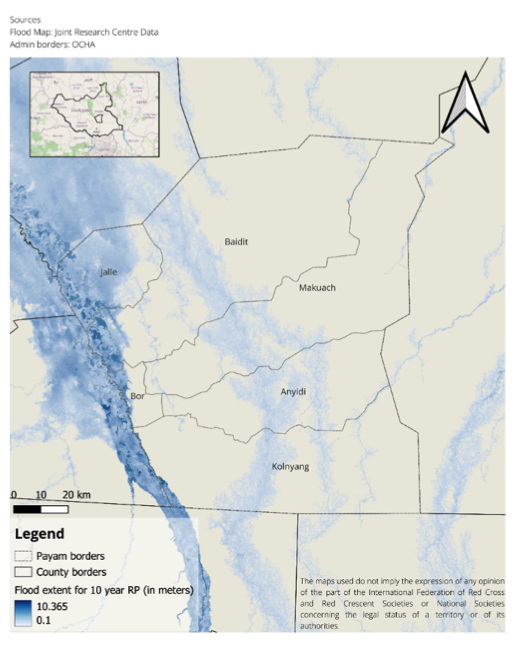
Within Jonglei, Bor South County experiences heavy rainfall and upstream water overflow, which combine to submerge vast areas each year, cutting off communities and contaminating water sources:
- 66% of households say that floods have contaminated their main water sources.
- 46% of households report that floods have restricted access to clean water.
- 38% of households have no access to early warning information or advice on what actions to take.
“A warning is not enough,” says a South Sudan Red Cross volunteer in Bor South. “It must come early, in our language, and with clear steps to follow.”
From Warnings to Early Action
The 2024 season offered a glimpse of what preparedness could mean.
“That year, we had a very strong early warning from the Intergovernmental Authority on Development (IGAD) and our own South Sudan Meteorological Department (SSMD),” recalls Dr. Banak. “It showed a high likelihood of heavy rain. We immediately formed a high-level flood preparedness committee, co-chaired by the Ministry of Humanitarian Affairs and the UN Resident Coordinator.”
The committee brought together government, partners, and donors, who traveled to flood-prone states to alert communities of the risks ahead.
“It allowed people to plan early – some moved livestock or families to safer areas with government support,” he explains. “Of course, relocation can create tensions with host communities, so local dialogue is essential. We also worked with the Ministry of Agriculture to provide adapted seed varieties to help farmers recover faster.”
This coordination is being expanded and strengthened under WHCA, culminating in the formalization of these early actions within an Anticipatory Action Framework.
“With support from the World Meteorological Organization (WMO), the Intergovernmental Authority on Development (IGAD), the United Nations Office for Disaster Risk Reduction (UNDRR), the World Food Programme (WFP), and Food and Agriculture Organization of the United Nations (FAO), we’ve developed a national technical working group and a roadmap under the Early Warnings for All initiative,” says Dr. Banak. “Our goal is to integrate anticipatory action principles into the Disaster Risk Management Policy and future Disaster Bill – so early warning truly leads to early action.”
Women at the Heart of Preparedness
In Bor South, where the floods hit hardest, women are at the forefront of local resilience. Women already make up 35% of local water and governance committees – a foundation WHCA is building upon. Through new training, women’s groups are learning to interpret weather information, lead preparedness activities, and coordinate evacuations before the waters rise.
“We used to depend on our husbands to decide when to move,” says one mother. “Now, we decide together – because the floods don’t wait.”
Rising Together
Blending data, dialogue, and dignity, decisions in Jonglei are made together with communities through open dialogue, ensuring people’s experiences shape the response and that the process upholds their dignity. Community-based early warning systems are being strengthened, dykes repaired, and safe evacuation routes mapped. Youths are learning to monitor river levels and use digital tools to alert nearby settlements, enabling local leadership rather than dependency.
At the same time, WHCA works with local farmers to promote climate-smart agriculture – including raised planting beds, quick-maturing crops, and natural vegetation barriers to reduce erosion. Through this approach, forecasts reach homes sooner, actions are triggered earlier, and families spend fewer nights fleeing water that they could have anticipated.
Looking Forward: Ground to Stand On
For the mother in Bor South, the coming seasons will no longer be defined by fear.
When the river begins to rise, she will already know where to go, which neighbors to call, and what steps to take. Her children will continue to learn, her crops will have a chance to grow, and her home will stand on ground prepared to face the future. And as the river continues its slow return to its banks, so too does the community find its way back to steadier ground.
Credit: Cheikh Kane, Red Cross Red Crescent Climate Centre
Want to know more?
Get in touch with WHCA country coordinator for South Sudan: David Bidal david.bidal@ssdredcross.org





Funded by