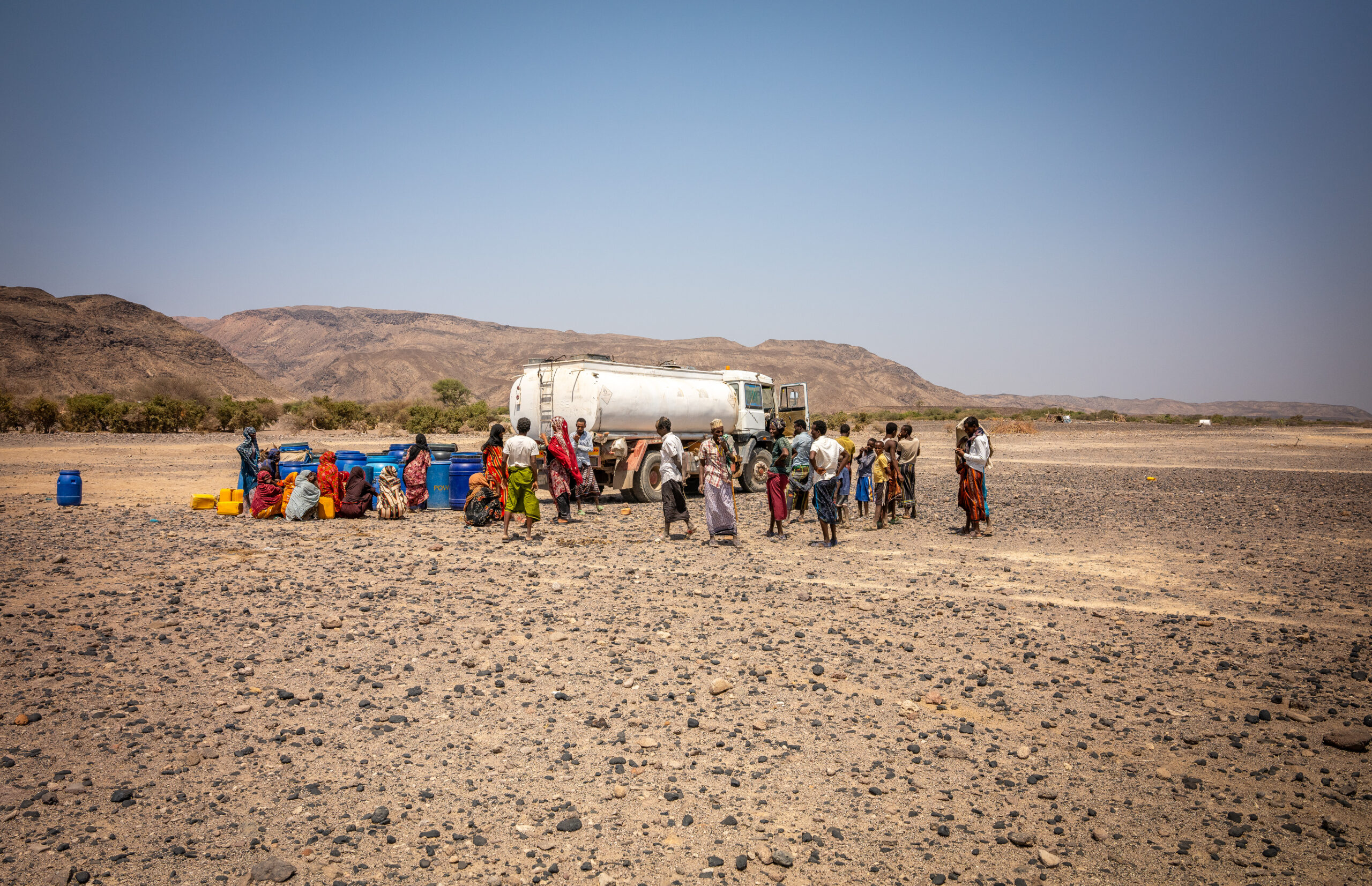
5 August 2026 - Preparing for Drought Before It Arrives: Early Action in Harshin, Ethiopia, June 2026


From Satellites to Sandbags: Placing Water at the Heart of Climate Action
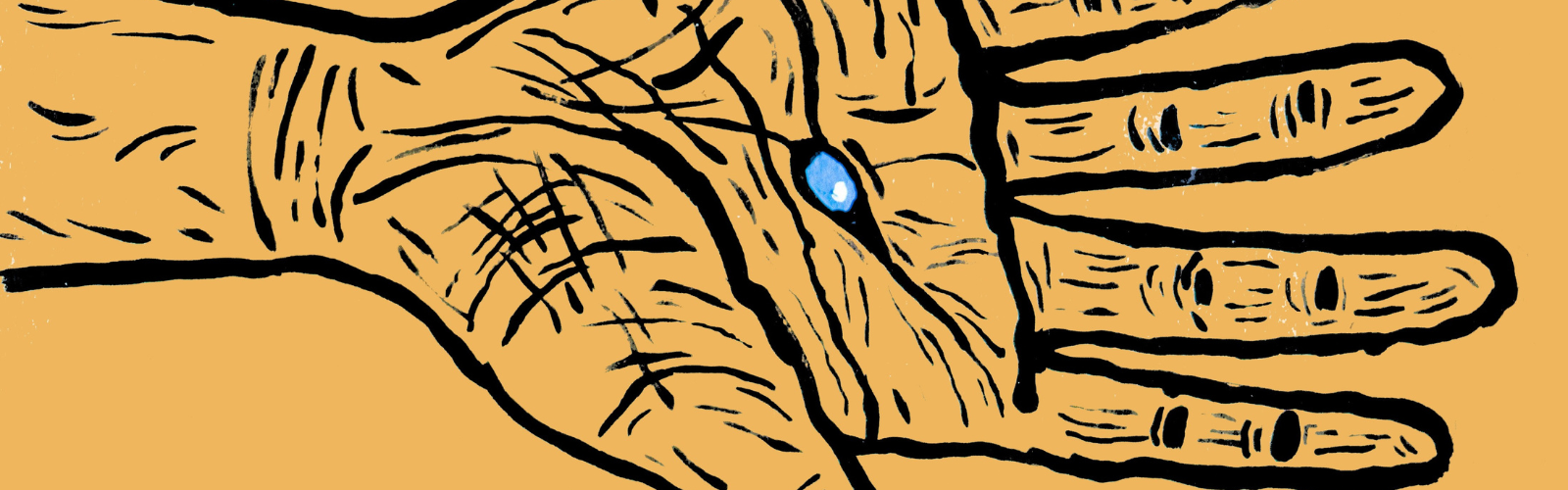
Artwork: ”I am a Drop of Water” by Rojo Ham, Kigali, 2024
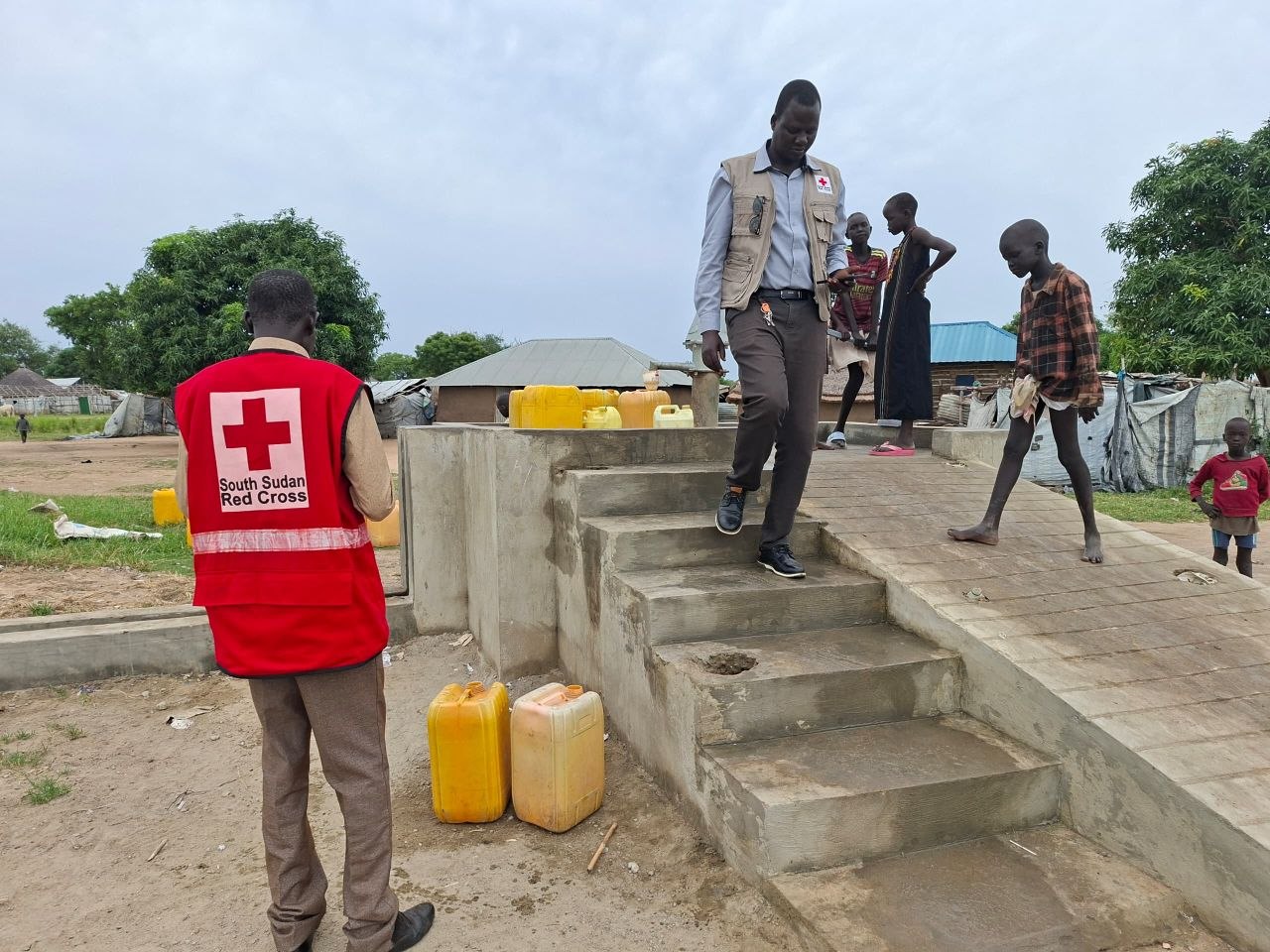
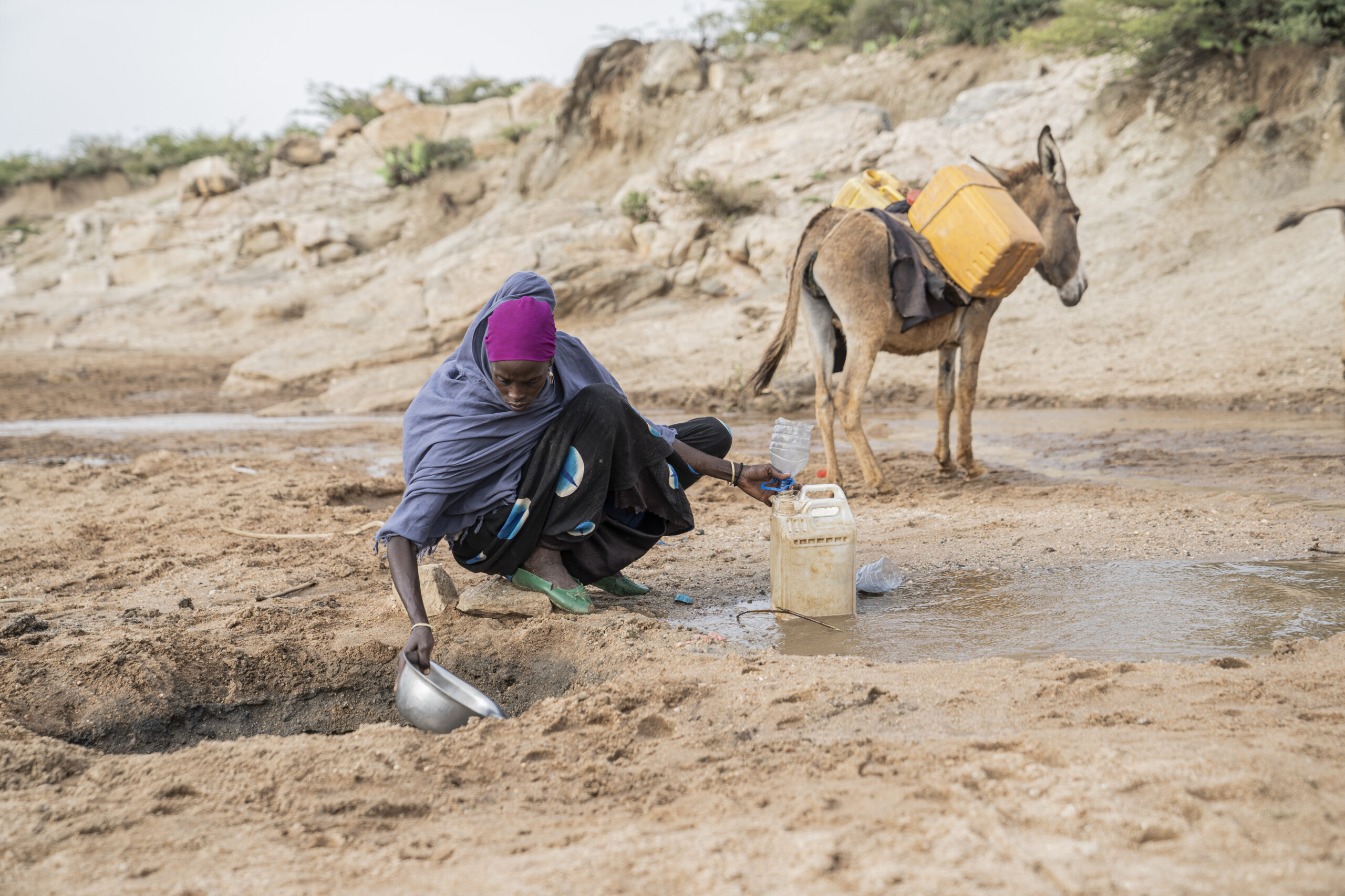
Water-related disasters are among the world’s most destructive crises. To mitigate them, early warning systems can inform communities of impending hazards, in time for them to take precautions. Water at the Heart of Climate Action (WHCA) aims to establish or enhance early warning systems in vulnerable areas, helping communities adapt to changing climates and increase water resilience in Ethiopia, Rwanda, South Sudan, Sudan and Uganda. This initiative is funded by the Ministry of Foreign Affairs of the Netherlands.
“This collaborative programme is needed if we want to reduce the impacts of water-related hazards on vulnerable communities. Only by working together are we able to work along the full early warning value chain, from satellites to sandbags.“
Elseline Tuinier, WHCA Consortium Coordinator
Working Together for Stronger Impact
Early warning systems are critical to provide communities with the information they need to stay safe. To be impactful, such systems must be community-centred and -led, and supported by collaborations between governments, global organisations and their local equivalents. This is where WHCA aims to make a difference.
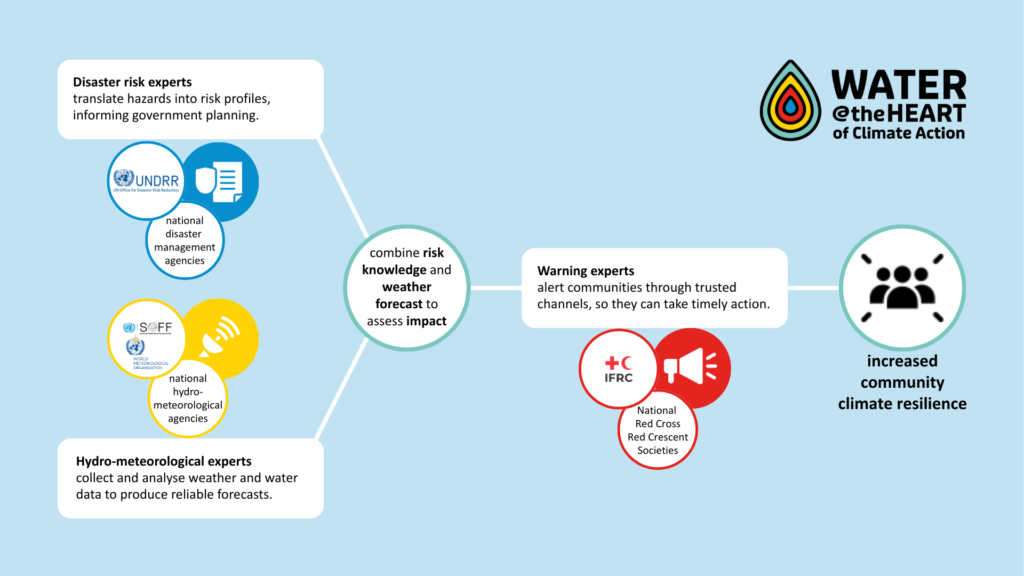
“The IFRC network’s strength lies in its vast web of volunteers and National Societies embedded in communities, translating early warnings into lifesaving action and bringing technical expertise in disaster law, community engagement, and locally led adaptation to ensure no one is left behind.”
Prisca Chisala, Regional Early Warning Early Action Coordinator at IFRC Africa
Effective climate action requires cooperation across sectors and borders. The WHCA consortium includes several global actors, each bringing specific expertise to the table. As such, the partnership offers a comprehensive approach combining global technology and local knowledge to help communities act on the water-related risks they face before they become disasters, setting a precedent for inclusive, sustainable climate action.
“WMO maps fragmented forecasting systems across the countries, driving the creation of one interoperable platform that ensures climate data flows seamlessly across borders to inform early warning and action.”
Mohammed Ali, WHCA Programme Manager at WMO
The Way Forward: Enabling Early Warnings for All
Water does not respect borders. WHCA takes a basin-wide approach, promoting cross-border collaboration and knowledge sharing along the Nile. This ensures that early warning systems are fit to address the cascading effects of extreme weather events. By targeting communities vulnerable to drought and floods, WHCA aims to make impact where it is needed most, helping local actors in safeguarding their future.
“Working with national disaster authorities, UNDRR strengthens capacity for risk profiling, and launching a disaster tracking system that helps countries document impacts and improve preparedness.”
Phoebe Wafubwa Shikuku, WHCA Programme Manager at UNDRR
While WHCA targets the Nile basin, the benefits of a robust early warning systems extend globally. Increasingly accurate global forecasting models, powered by local hydro-meteorological data, implies that investing in early warning systems can cause a shift from reactive disaster relief to proactive disaster prevention by helping communities mitigate the impact of water related disasters. Locally led solutions are central to this approach, with global partnerships paving the way for a more disaster-prepared future.
“SOFF accelerates WHCA through readiness assessments to identify observation gaps, investing in countries to strengthen climate data. This way, we ensure the entire early warning value chain is supported from global coordination to local action.”
Mario Peiro Espi, Partnerships Officer at SOFF
Credit: Sarah Breker, Netherlands Red Cross
Want to know more?
Get in touch with WHCA consortium coordinator: Elseline Tuinier etuinier@redcross.nl





Funded by