
3 March 2026 - VIDEO | Water at the Heart of Climate Action in Uganda


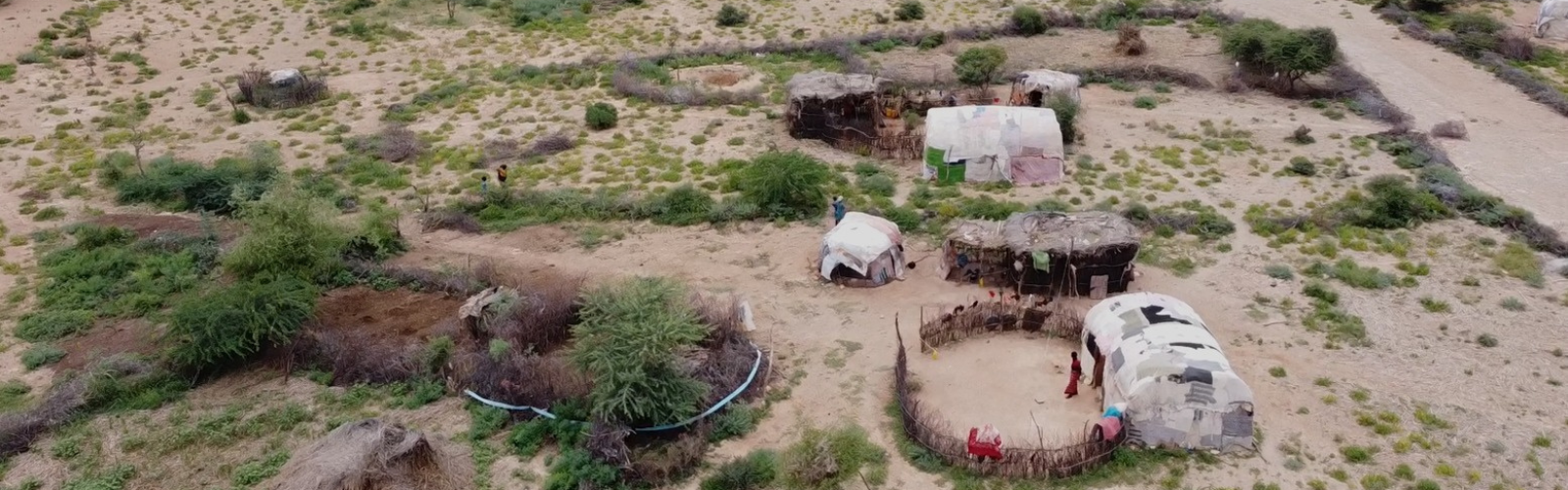
When The Wells Run Dry: How A Desert Town Is Learning To Hold The Rain
A Town That Waits for Rain
In Harshin, Ethiopia, when clouds gather, conversations pause. Hope rises in the air like dust before a storm. The rain decides everything – whether livestock survive, whether children stay in school, and whether tomorrow begins with a bucket of clean water or another long walk across the plain.
“We don’t fear the sun,” says a community member. “We fear the sky that forgets us.”
Every drought follows a familiar pattern: the Birkads – traditional rainwater catchments – dry and crack, animals collapse near wells, and families migrate toward the Somaliland border. Now, the story might change.
Through Water at the Heart of Climate Action (WHCA), Harshin are learning not only how to collect rain – but how to keep it. Under the Early Warnings for All framework, the community is being connected to Ethiopia’s new anticipatory action system, transforming centuries-old knowledge into organized drought preparedness.
Why Harshin Matters
Southeastern Ethiopia, including Faafen Zone, is expected to receive less rainfall, with longer dry spells and delayed onset of rains. These conditions heighten the risk of pasture shortages, livestock deaths, and acute water scarcity. For Harshin’s pastoralists, whose lives depend on seasonal rains, this means another test of endurance.
Harshin’s vulnerability is compounded by fragile water systems where 60% of households depend on Birkads. Over half of the population walk more than an hour for water, emblematic of Ethiopia’s drought challenge.
WHCA, aligned with the Ethiopian Common Framework for Drought Anticipatory Action, aims to ensure that early warnings trigger early action – before crisis strikes.
Mapping a Thirsty Land
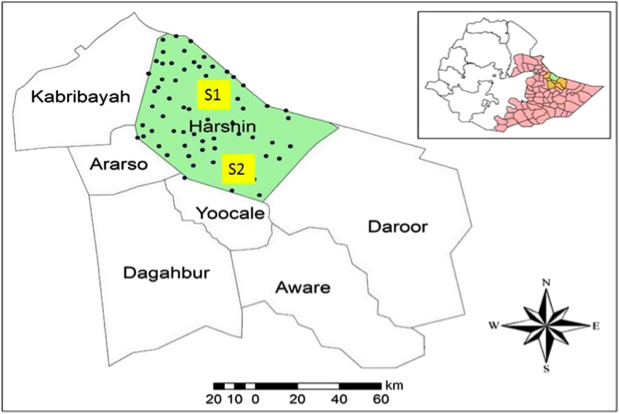
Before drilling new wells or building tanks, Harshin was mapped – digitally and locally, by volunteers who have charted every Birkad, well, pond, and seasonal road.
This “living map” reveals more than geography; it shows vulnerability in motion. During droughts, roads vanish under dust, settlements shift, and temporary camps expand. With this visibility, early warning committees know which clusters lack water, which roads become impassable, and where displaced families gather when wells fail.
“We can’t plan for what we can’t see,” said an Ethiopian Red Cross Society field officer. “Now Harshin is visible – every well, every risk, every opportunity.”
Understanding the Drought Problem Tree
In 2024, Harshin’s community built what they called a problem tree. Its roots are soil degradation, deforestation, overgrazing, and failed rains. Its branches are livestock loss, food insecurity, malnutrition, and migration. A high likelihood of continuous dry days in southeastern Ethiopia is intensifying these issues, heightening risks of malnutrition, cholera outbreaks and displacement.
“When we get rain, it evaporates before we can use it,” says Amina, coordinator of the Harshin Disability Committee. “We need to learn how to hold the water.”
Tradition Meets Technology
Harshin’s resilience lies in its traditional water wisdom. For generations, families have managed hand-dug wells, sealed Birkads against early rain contamination, and used acacia bark as a natural purifier.
Now, WHCA blends these traditions with technology – improved Birkad designs to reduce evaporation, digital rainfall tracking from the Ethiopian Meteorology Institute, and solar pumps to replace diesel generators.
Under the Ethiopia Disaster Risk Management Commission (EDRMC)’s three-phase anticipatory action model, Harshin’s early warning teams now:
- Monitor rainfall forecasts 4–6 months ahead.
- Mobilize local committees when rainfall probability drops below a defined threshold.
- Trigger early actions – water rationing, livestock relocation, and health alerts – within the first dry month.
“Each family will still have its Birkad,” said a committee member. “But now the water will last longer – and reach everyone.”
Voices from the Margins
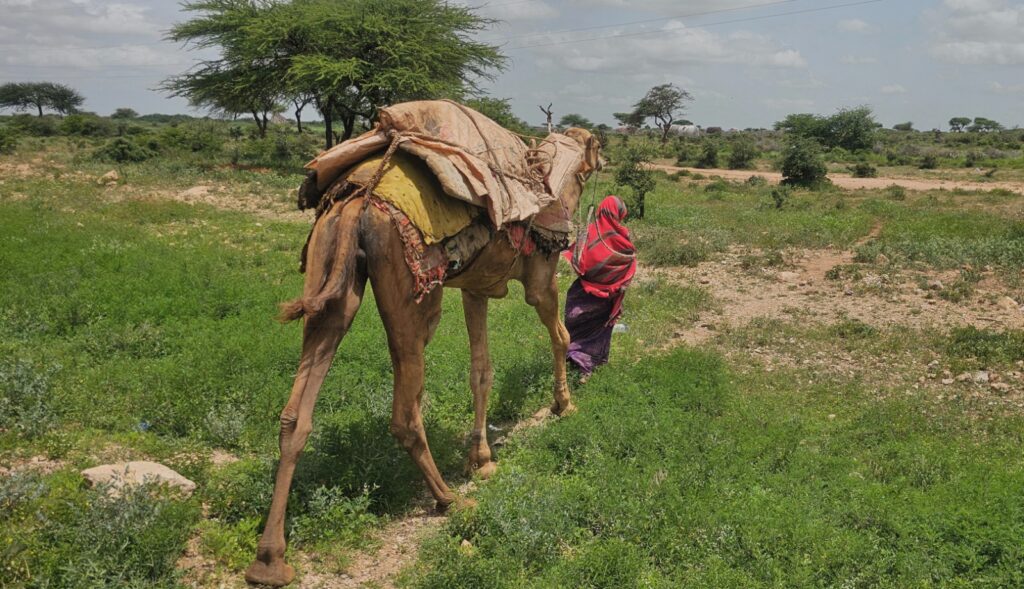
Water scarcity does not affect everyone equally. Groups often left behind tend to be disproportionately affected:
- People with disabilities who cannot travel to water points.
- Elderly and displaced families losing livelihoods as their animals die.
- Women and girls who bear the burden of water collection yet remain underrepresented in water governance.
Through WHCA, women’s cooperatives and disability committees are included in planning and monitoring. All training sessions ensure accessibility, from sign language interpretation to mobility assistance.
“If those who fetch the water are not part of the decision,” says one elder, “the water will never be enough.”
Building a Future of Preparedness
Harshin’s Disaster Risk Management Office now integrates national early warning messages with impact-based community communication. Forecasts from the Ethiopian Meteorology Institute, relayed via WhatsApp, radio and megaphones, are translated into anticipatory actions, not just alerts.
When drought triggers rise, pre-arranged actions begin:
- Repairing key Birkads and water points before they fail.
- Deploying mobile water units and fodder support.
- Disseminating health messages on cholera prevention.
These steps align with Ethiopia’s Common Framework for Drought Anticipatory Action, which sets a clear operational window for taking action within the first month of a dry spell, when drought signals strengthen but before irreversible loss occurs.
“We no longer just count the days without rain,” says a youth volunteer. “We act before the ground cracks.”
Looking Forward: Holding the Rain
Harshin’s story is being rewritten – from one of waiting, to one of preparedness.
When the next drought arrives, Harshin’s people will not migrate blindly toward the border. They will stay, plan, and act together.
“The rain will still fall where it wants,” says Dek, chairman of the Harshin Disability Committee. “But we are learning to keep what it gives.”
Credit: Cheikh Kane, Red Cross Red Crescent Climate Centre
Want to know more?
Get in touch with WHCA country coordinator for Ethiopia : Abraham Tesfaye abraham.tesfaye@redcrosseth.org






Funded by