20 January 2026 - Turning the Tide: Building Climate Resilience in South Sudan


Turning the Tide: Building Climate Resilience in South Sudan
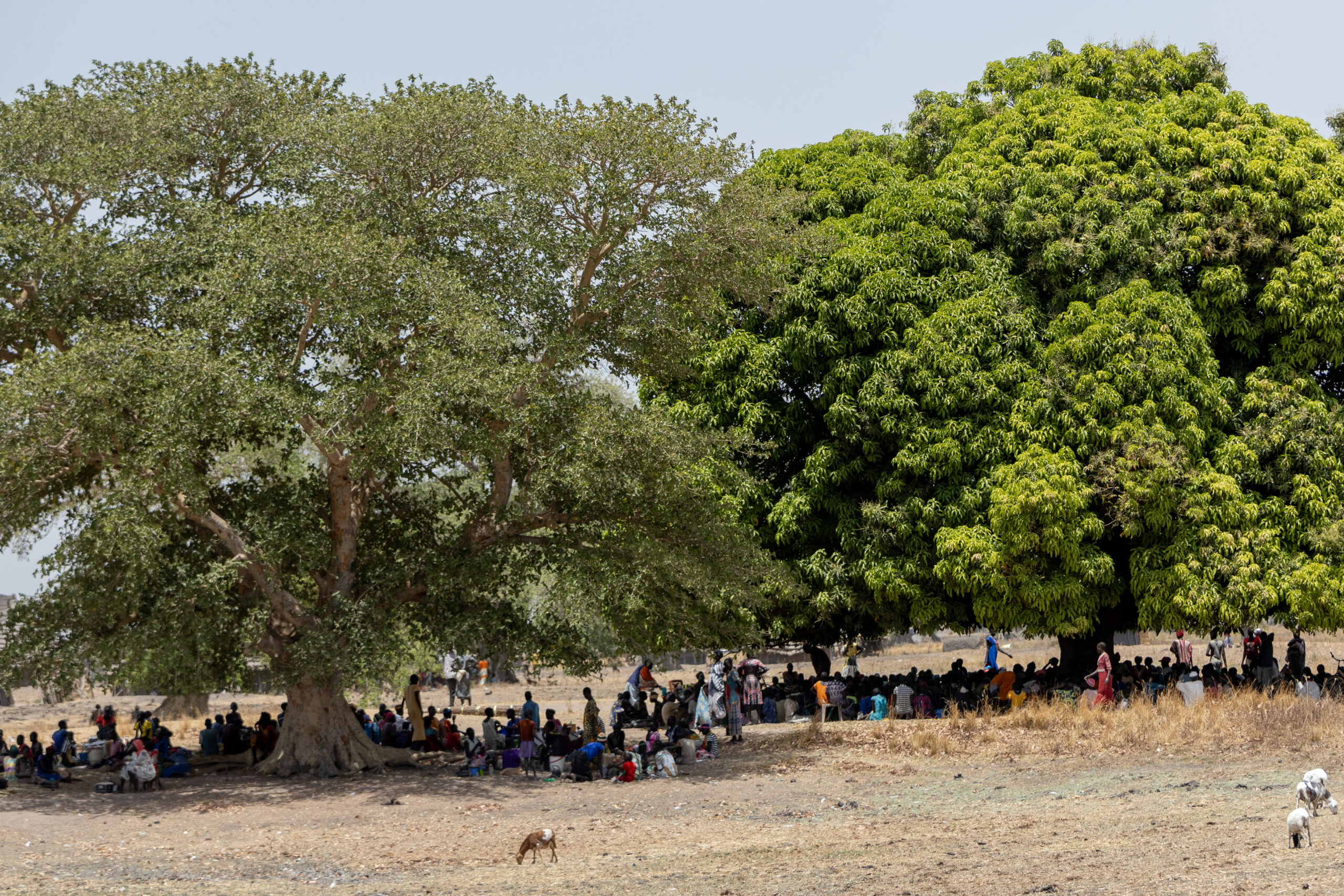
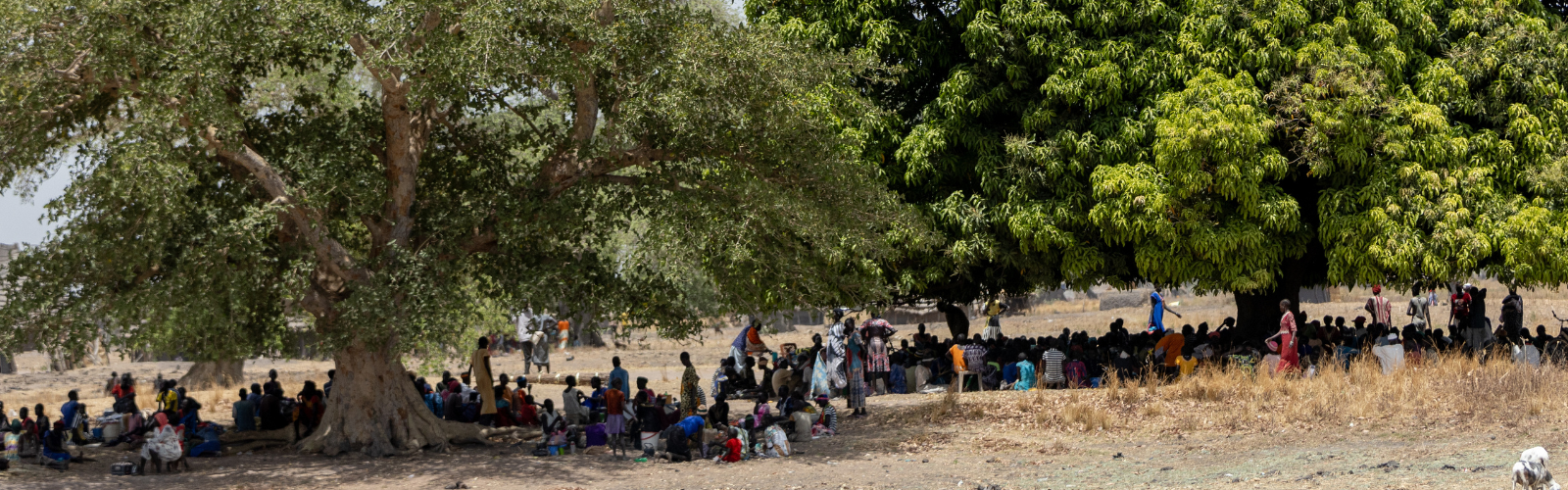
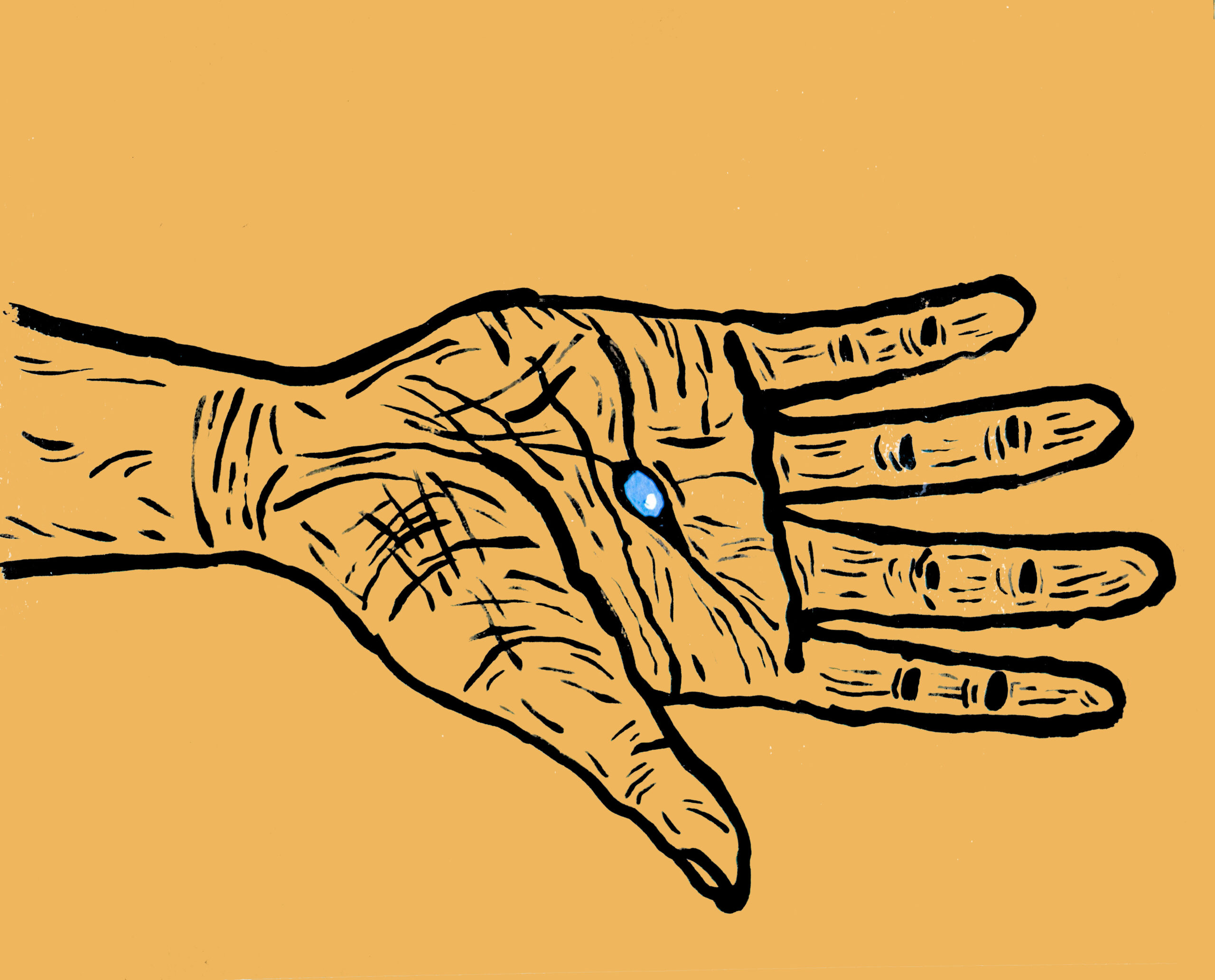
In South Sudan’s Kapoeta County, the worsening water crisis defines daily life. Prolonged droughts and unpredictable rainfall have dried up traditional water sources, forcing families to walk for days to collect unsafe water. Livestock are dying, food is scarce, and the future is uncertain. But there is hope. Water at the Heart of Climate Action (WHCA), funded by the Ministry of Foreign Affairs of the Netherlands, helps communities prepare for climate shocks before they happen. Instead of waiting to respond to disasters, communities in South Sudan are supported in building resilience together.
The human face of the water crisis
Kapoeta is increasingly exposed to climate shocks, with negative effects on local communities, livestock, and infrastructure. Community members share powerful testimonies:
“Women and young girls in Kapoeta East travel up to three days to fetch water from drying wells.”
“The water is often contaminated, and the journey exposes us to risks of violence and exhaustion. Sometimes the water we collect is so little that only the children can drink it.”
Such accounts reveal how deeply water insecurity intersects with protection risks and gender inequality. Urgent action is needed, and that’s where WHCA comes in.
Shifting from crisis response to preparedness
Climate and water risks are escalating, and the cost of inaction is growing every day. WHCA helps communities move beyond reacting to disasters and toward anticipating them:
“We want to ensure that water-related hazards don’t have so much impact on communities. By protecting water points and empowering communities to manage them, we give people the tools to be resilient, respond to climate shocks, and adapt to a changing climate.”
David Bidal, WHCA Country Coordinator at the South Sudan Red Cross
WHCA equips local decision-makers with the knowledge and tools to act before shocks hit. This means engaging communities to strengthen risk management, improving observation and forecasting so that early warnings are timely and actionable, and putting plans in place so authorities can protect water sources and support vulnerable households.
“We plan to translate science into something communities can see and understand. If people know how a flood will affect their surroundings, they can act sooner, and that’s what will save lives.”
Dr Koboji Charles Leju, Director for Hydrology at the Ministry of Water Resources and Irrigation of South Sudan
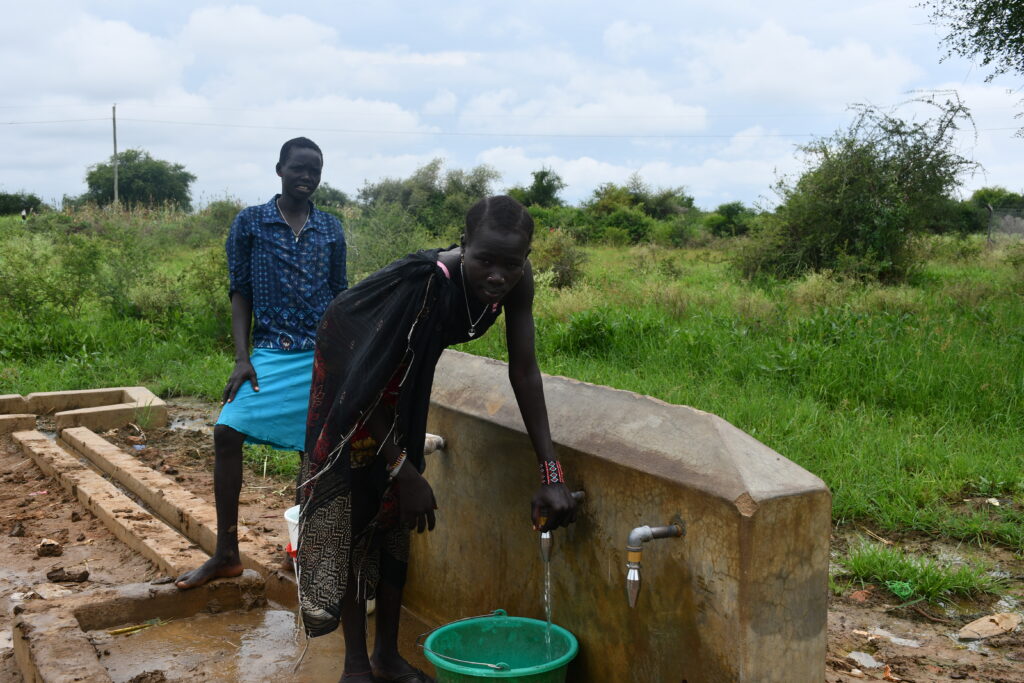
At the same time, WHCA supports activities for sustainable water management and climate-smart livelihoods. When shocks do occur, WHCA enables rapid response by repairing and safeguarding critical water points and promoting hygiene practices. This way, communities recover stronger and are better prepared for future shocks.
Locally led and inclusive resilience
Resilience must be locally owned to last. Women, youth, and marginalized groups are engaged throughout the process: from assessing risks to designing adaptation actions and managing water systems. These approaches reflect local priorities, build on indigenous knowledge, and enhance local leadership. In Kapoeta, this shift transforms the way resilience is understood into a collective process rooted in local agency.
A holistic pathway to climate resilience
Linking preparedness, response, and adaptation creates a complete community resilience cycle. WHCA works by:
- Building disaster risk knowledge and readiness
- Acting early to reduce disaster impacts
- Supporting rapid, locally led responses when crises hit
- Driving sustainable recovery through better water access and climate-smart livelihoods
This integrated approach bridges humanitarian and development goals, turning short-term emergency response into long-term resilience.
The way forward
The experience in Kapoeta shows that tackling water insecurity and climate risk demands collaboration, anticipation, and local leadership. The WHCA partnership in South Sudan, powered by local and global hydro-meteorological, disaster management, and humanitarian actors, demonstrates how coordinated, multisectoral action can turn the tide on climate vulnerability.
By aligning preparedness, response and adaptation, the people of Kapoeta are not only addressing the immediate water crisis. They are building a resilient future where communities have the tools, systems, and confidence to withstand the shocks of a changing climate. Together, we can turn the tide, making water security the foundation for hope, health, and resilience.
Credit: Jonston Tibilikirwa, Netherlands Red Cross in South Sudan
Want to know more?
Get in touch with WHCA country coordinator for South Sudan:






Funded by